

KaiBits Large Sensor Pack — 28 Sensors
$198.66 ex GST
($218.53 inc GST)
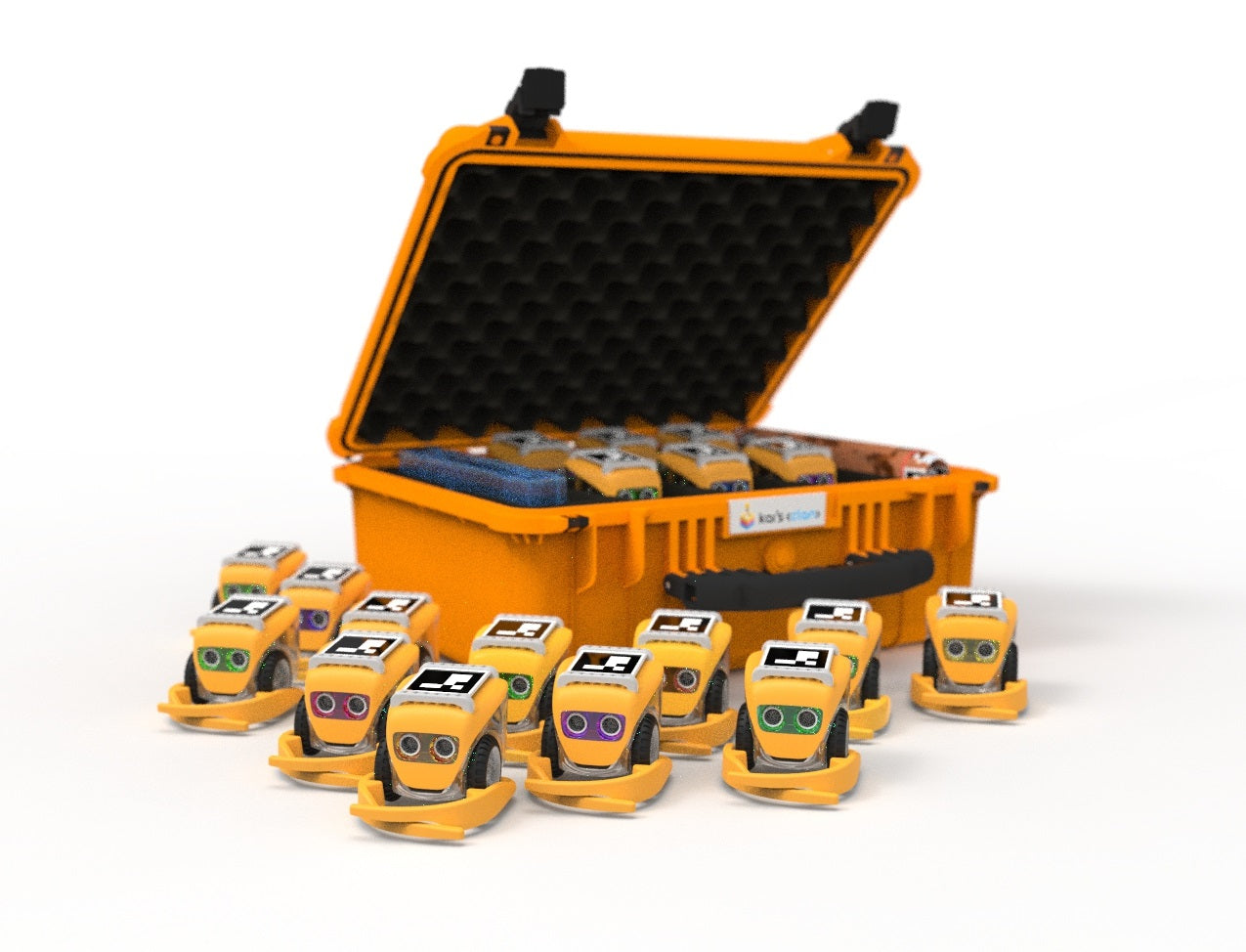
KaiBits are the sensors that turn a KaiLab coding lesson into a data lesson. Students collect real readings from the room around them — soil moisture, temperature, light — and watch those readings change the virtual world on screen in real time. A digital tree grows as the soil moisture reading rises.
What's included:
1 x KaiBit Large Sensor Pack containing 28 IoT sensors
What students build:
Interactive projects combining sensor inputs with outputs
Automation — code that responds to a condition rather than a button press
Environmental science investigations grounded in their own measurements
What students practise:
Data collection, and the messiness of real readings against clean textbook numbers
Cause and effect between the physical and virtual environments
The IoT concepts underpinning smart buildings, agriculture and environmental monitoring
This is the large pack, matching the sensor set supplied with the KaiLab 12-robot classroom pack. Requires KaiLab robots and the KaiLab platform, sold separately.
KaiLab Classroom Pack — 12 Robots
$3,773.00 ex GST
($4,150.30 inc GST)
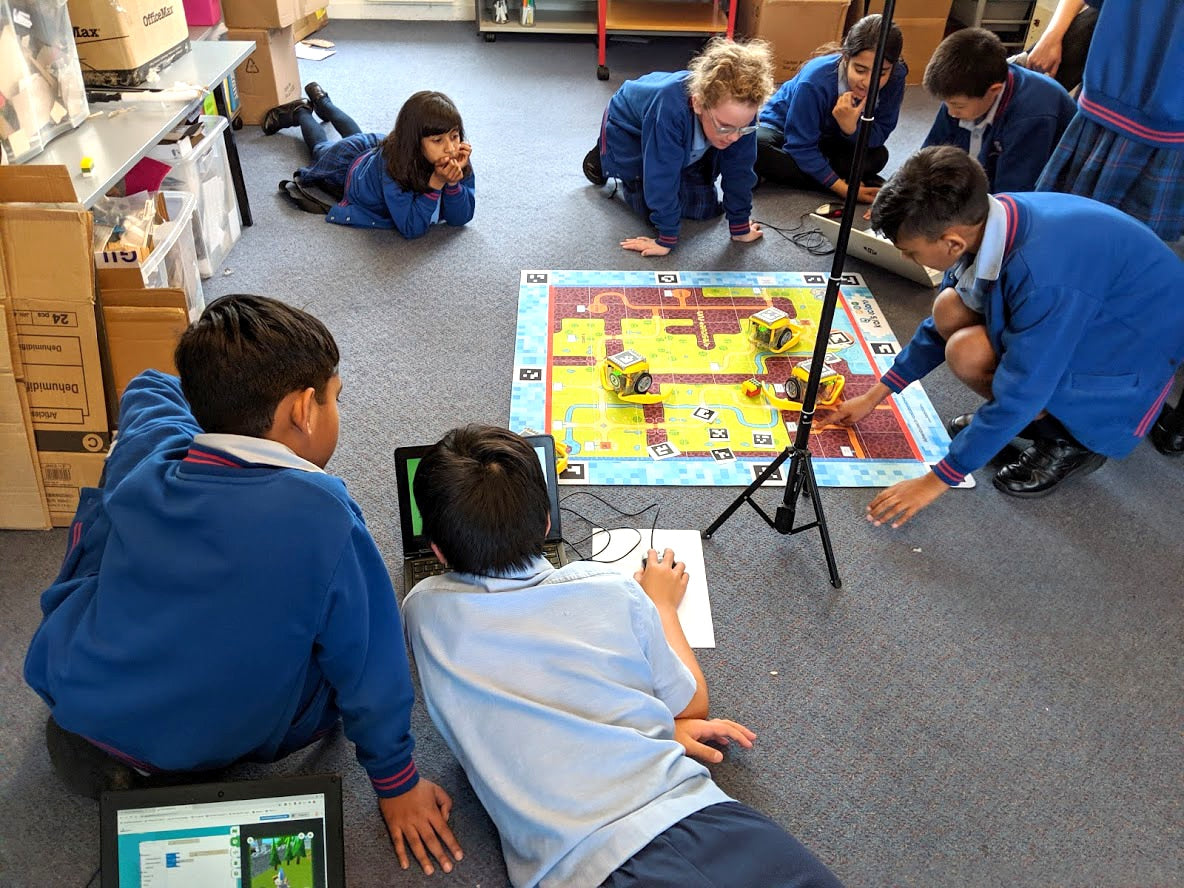
The KaiLab Classroom Pack is the full-class option — twelve robots, two adventure mats and a large sensor set, built so an entire Year 5 to 10 class can code together on a shared problem rather than rotating through one station.
What's included:
12 x KaiLab robots
2 x tripods with phone holders
1 x Mars Discovery AR/VR adventure mat and 1 x Automated Warehouse AR/VR adventure mat
1 x large sensor box containing 28 IoT KaiBits
Coding cards and spare parts boxes
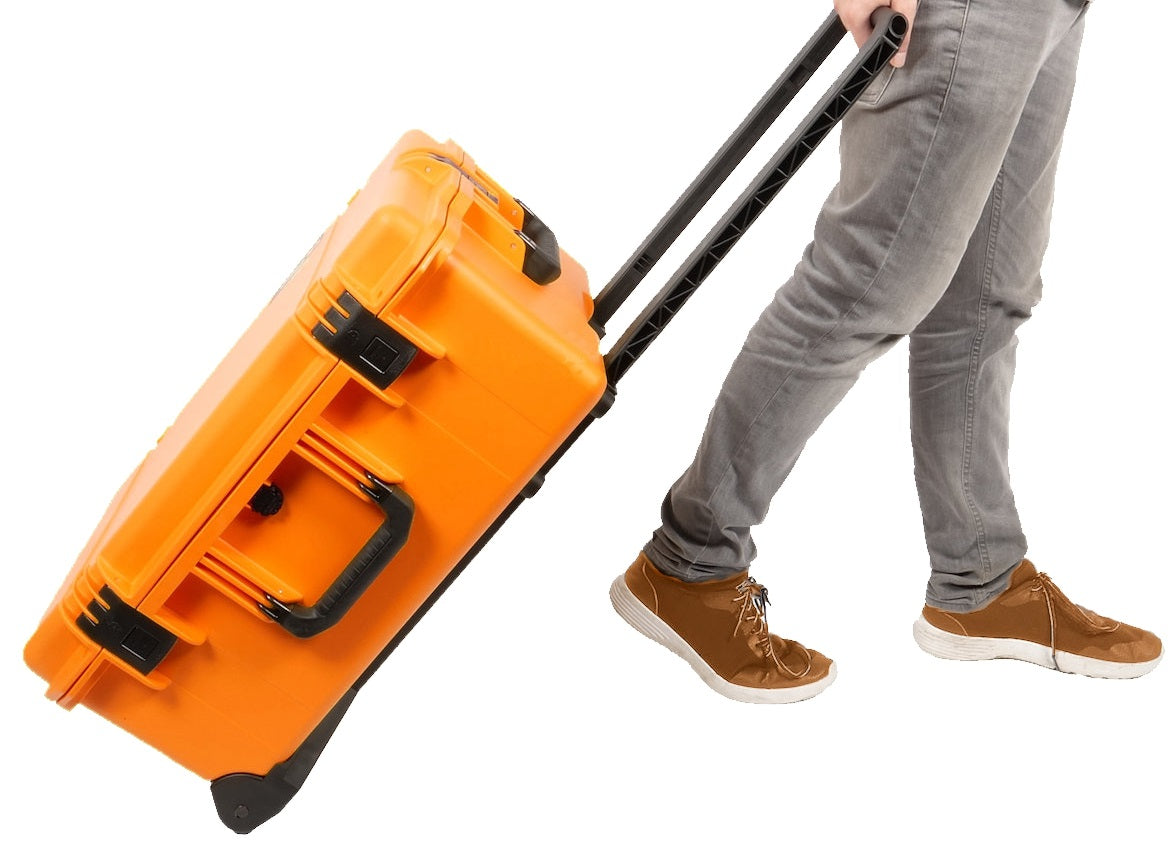
1 x IP67 waterproof protective case with wheels
2 x Kai's Eye app licences
Education lesson plans
How it works in a classroom:
Students code in Blockly or Python through a browser — laptops, Chromebooks and tablets all work
A phone or tablet on the tripod tracks each robot's position and syncs it to the virtual environment
Everything the class codes appears in a 3D digital twin, viewable in augmented and virtual reality
Two mats mean two scenarios can run at once, or one large combined project
What students practise:
Real-time collaboration — several students working in one shared environment
Collecting and interpreting live IoT sensor data
Progression from Blockly to Python within the same platform
The wheeled IP67 case matters more than it sounds: twelve robots, two mats and a sensor box is a lot to move between rooms. Purchase orders welcome from Australian schools.
KaiLab Smart City AR/VR Mat
$762.30 ex GST
($838.53 inc GST)
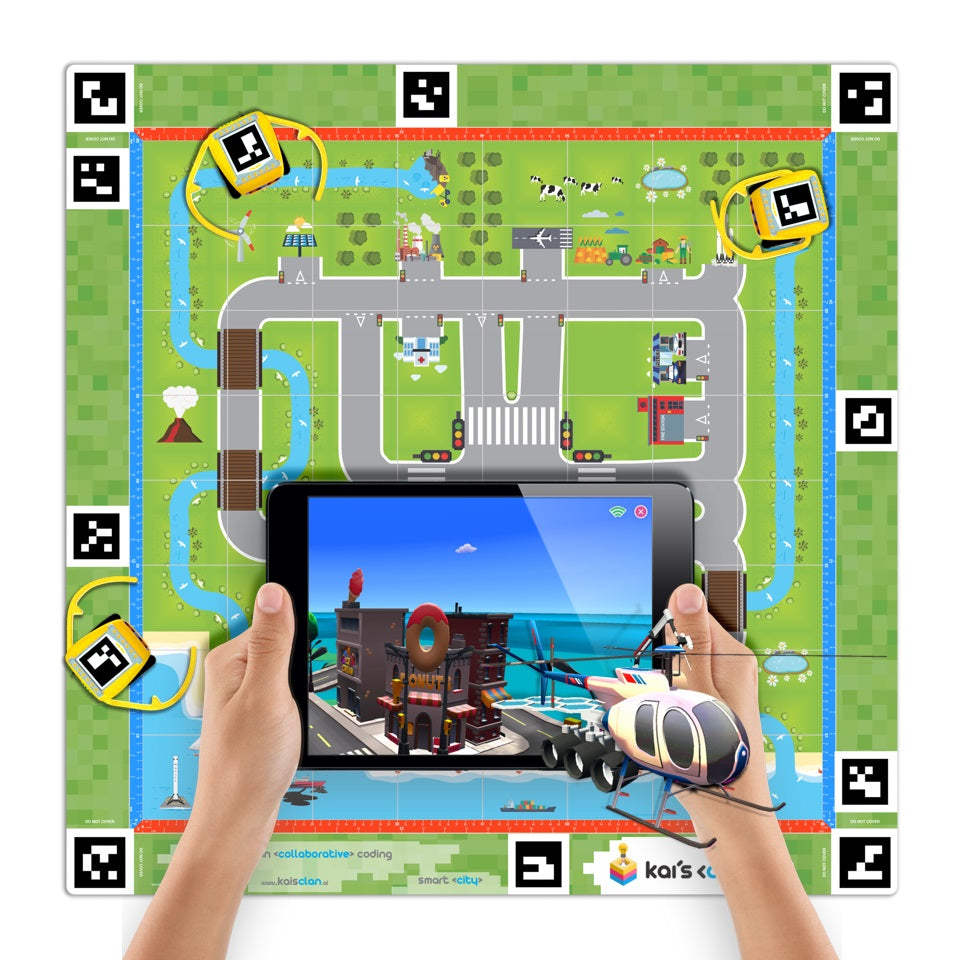
Smart cities need smart people. This mat puts one question in front of a class — what will future cities do to the people who live in them? — and gives them sensors, IoT data and a virtual city to answer it with.
What's included:
1 x neoprene AR/VR adventure mat, 1 m x 1 m
Premium 3D, AR and VR content with education lesson plans
What students work on:
Transport, energy and services in a connected city
Sensor and IoT data feeding real decisions about how the city runs
Both on-mat coding tasks and activities that take the question outside the classroom
How you can view it:
In 3D through Chrome, Safari or Edge
In augmented reality on a compatible Android or iOS device
In virtual reality on a compatible headset
Built for classroom use — durable, easy to clean, and folds away without creasing. Also available as a 1.6 m super-size mat for whole-class work. Requires KaiLab robots and the Kai's Eye tracking app, sold separately.
KaiLab Start Pack — 4 Robots
$1,532.30 ex GST
($1,685.53 inc GST)
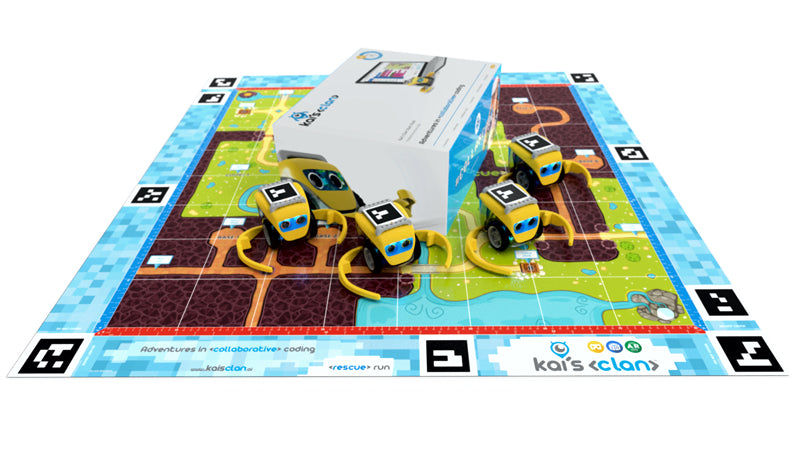
The KaiLab Start Pack is the entry point to the platform — four robots, an adventure mat and everything needed to run collaborative AR/VR coding lessons for Years 5 to 10. Students code physical robots in a browser and watch their work mirrored in a 3D virtual world at the same time.
What's included:
4 x KaiLab robots
1 x Rescue Run AR/VR adventure mat
1 x tripod with phone holder
1 x sensor box of IoT KaiBits
Coding cards and spare parts boxes
1 x Kai's Eye app licence
Education lesson plans
How it works:
Coding happens in a browser using Blockly or Python — no software to install
A phone or tablet mounted on the tripod tracks each robot's QR code and position on the mat
Robot positions and sensor readings sync to the cloud about once a second, so everyone sees live updates
The same scenario can be viewed in 3D, in augmented reality, or in VR on a headset
What students practise:
Collaborative problem-solving — several students working in one shared environment at once
Reading and acting on live IoT sensor data
Blockly first, then Python, without changing platforms
Suits a small group, a club, or a class working in rotation. Purchase orders welcome from Australian schools.
KaiLab Super-size Smart City Mat — 1.6m
$915.00 ex GST
($1,006.50 inc GST)
The super-size Smart City mat is the 1.6 m version of the Smart City adventure mat — 2.56 square metres of city-themed grid, roughly two and a half times the area of the standard 1 m mat.
What's included:
1 x neoprene AR/VR adventure mat, 1.6 m x 1.6 m (2.56 m²)
Access to the Smart City 3D, AR and VR environment and lesson plans
The lesson behind it:
Students tackle one question — how will future cities affect the people living in them?
Sensors and IoT data feed decisions about transport, energy and services
Activities run both on the mat and beyond it, connecting coding to real urban problems
Why the larger size:
A city grid gets crowded quickly — more space means more districts and more robots operating at once
Whole-class demonstrations work without students craning over each other
Genuine multi-team scenarios, where groups manage different parts of one city
Durable, easy to clean, and folds away without creasing. Requires KaiLab robots and the Kai's Eye tracking app, sold separately.