









Why Phonics and Oral Language Come First
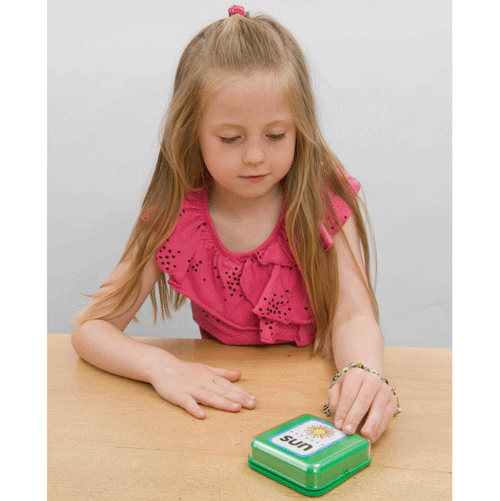
Children can hear and say a sound long before they can read or write it. That's why phonics and oral language work comes first — and why it works best with something physical in a child's hands.
Hands-on literacy resources support:
- Phonemic awareness — hearing, isolating and blending individual sounds
- Letter–sound correspondence and alphabet knowledge
- CVC and word building, moving from sounds to whole words
- Oral rehearsal, so a child can say an idea before writing it
- Vocabulary and narrative through retelling and storytelling

Phonics Resources by Programme and Sound Set
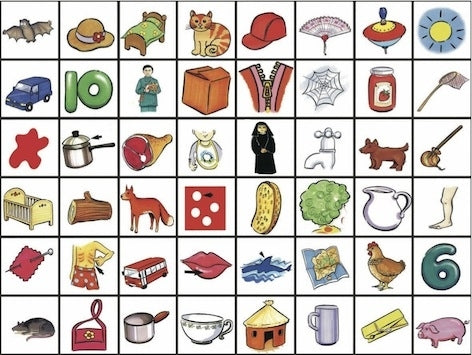
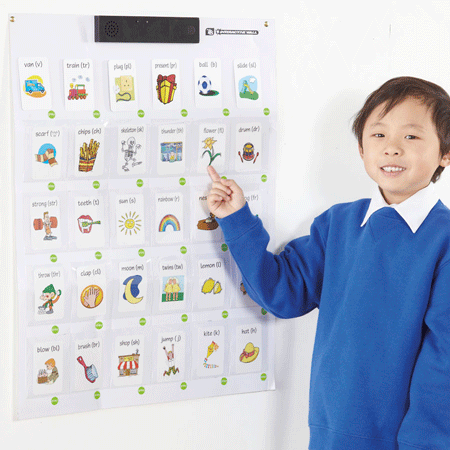
- Jolly Phonics Chatter Board — 42 sounds, tap a tile to hear the sound, for classrooms following Jolly Phonics
- 44 Sound and Spelling Phonics Tubs — the full 44 phonemes with objects and graphemes for each
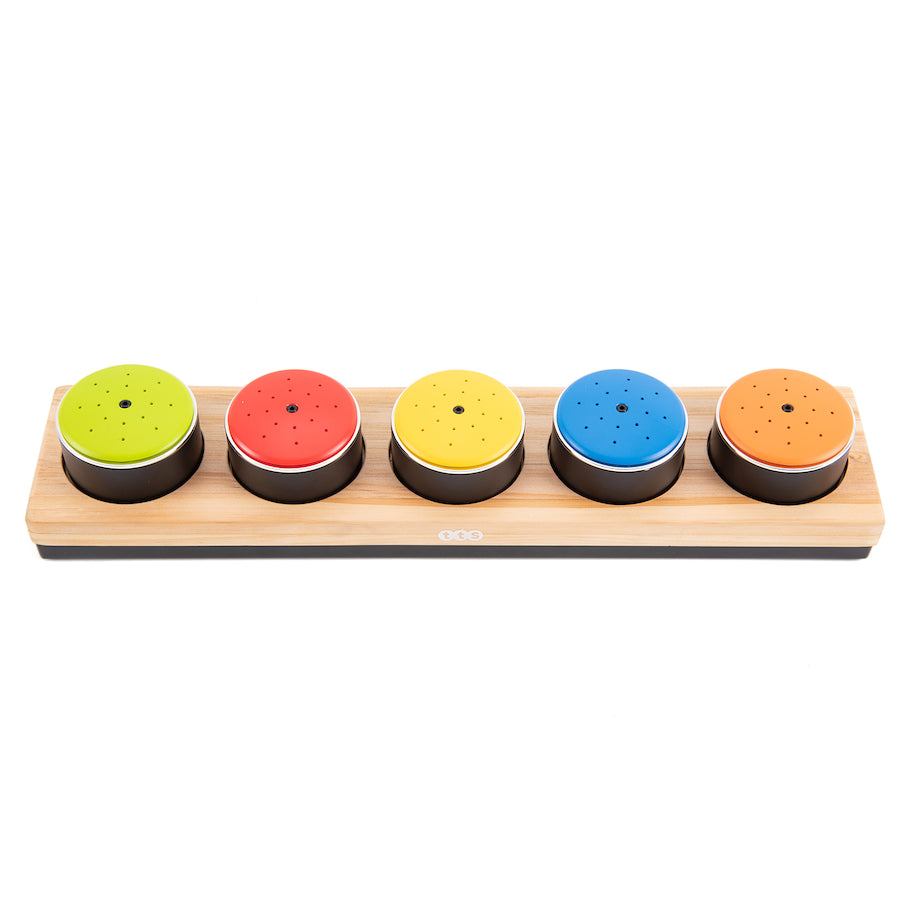
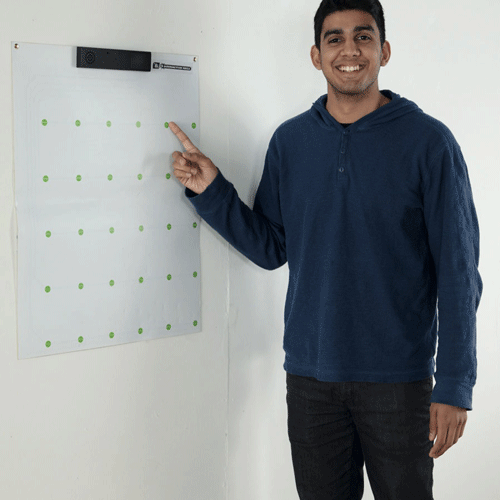
- Chatter Board Pro — 44 recordable tiles you record yourself, so it suits any synthetic phonics programme
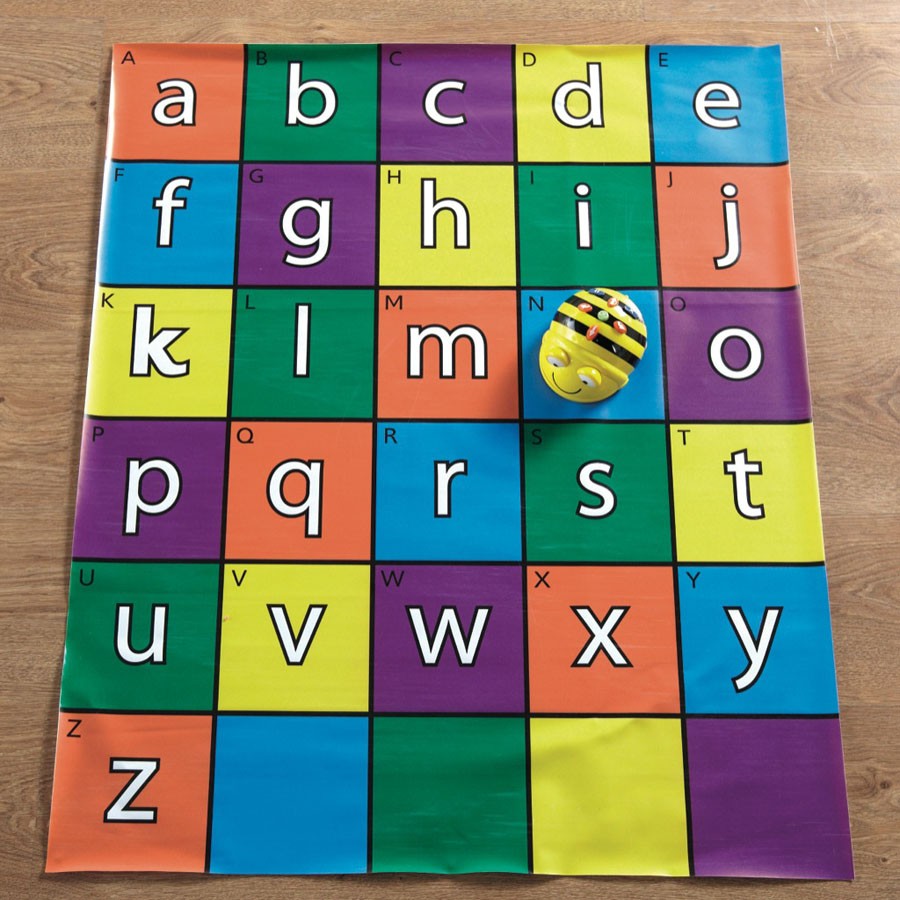
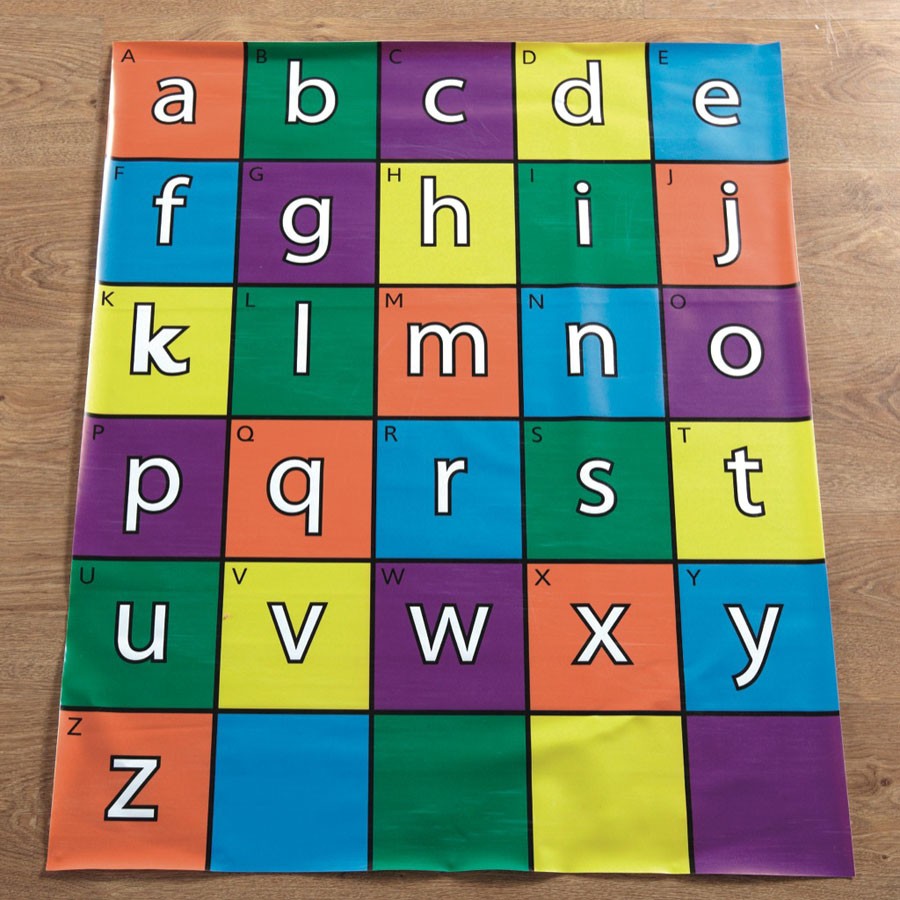
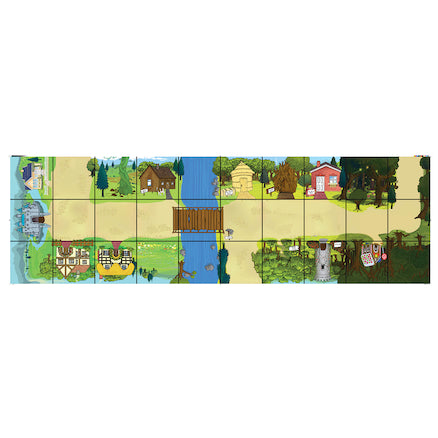
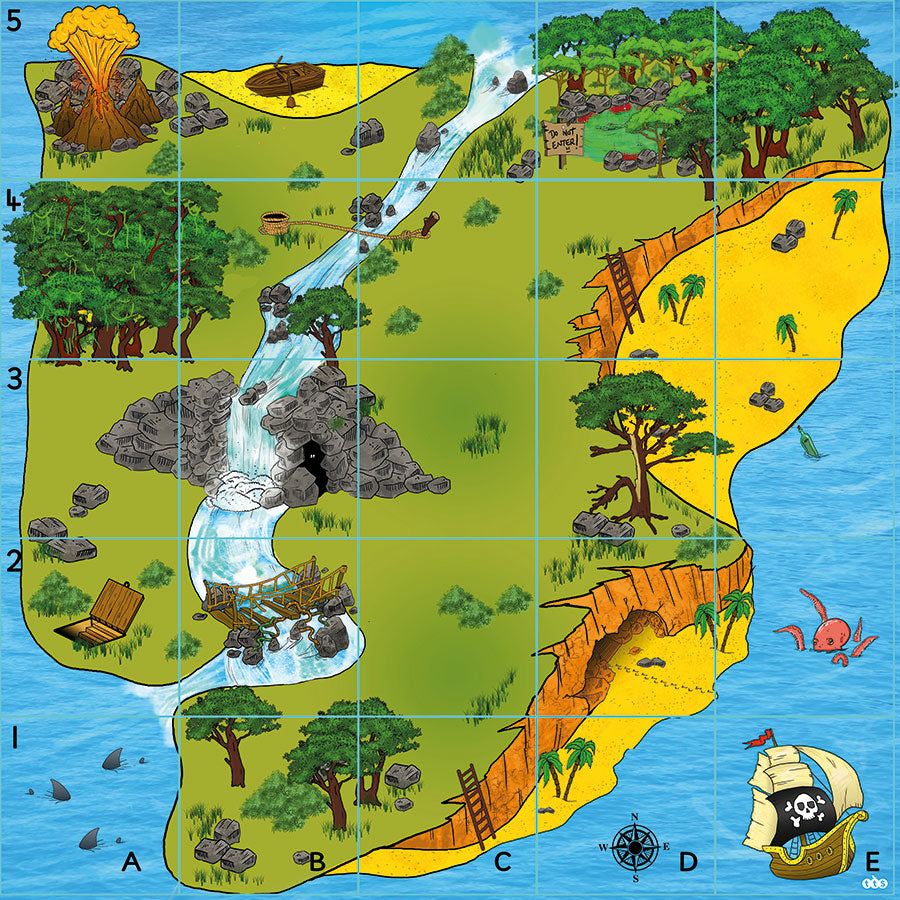
- Bee-Bot and Blue-Bot CVC and Alphabet mats — phonics through floor robots, for classrooms already using Bee-Bot

For EAL/D Learners and Additional Support Needs
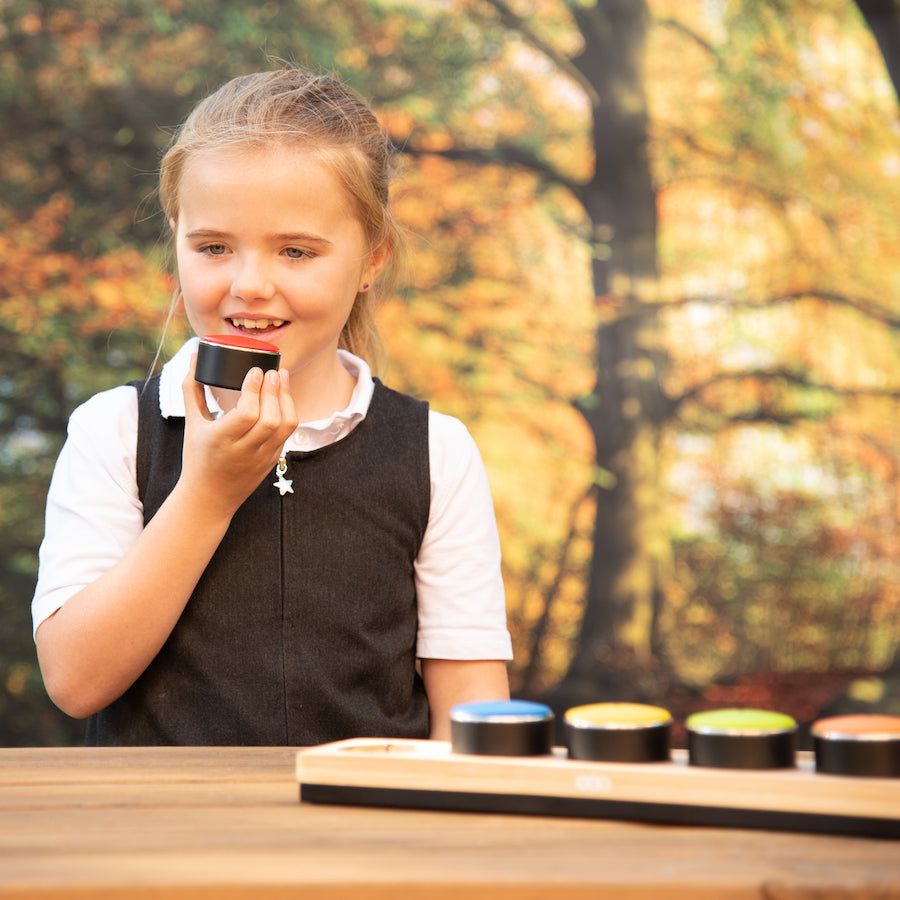
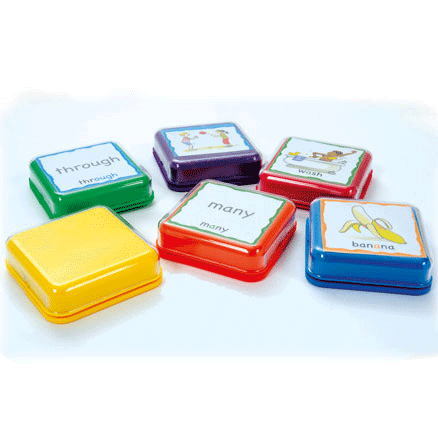
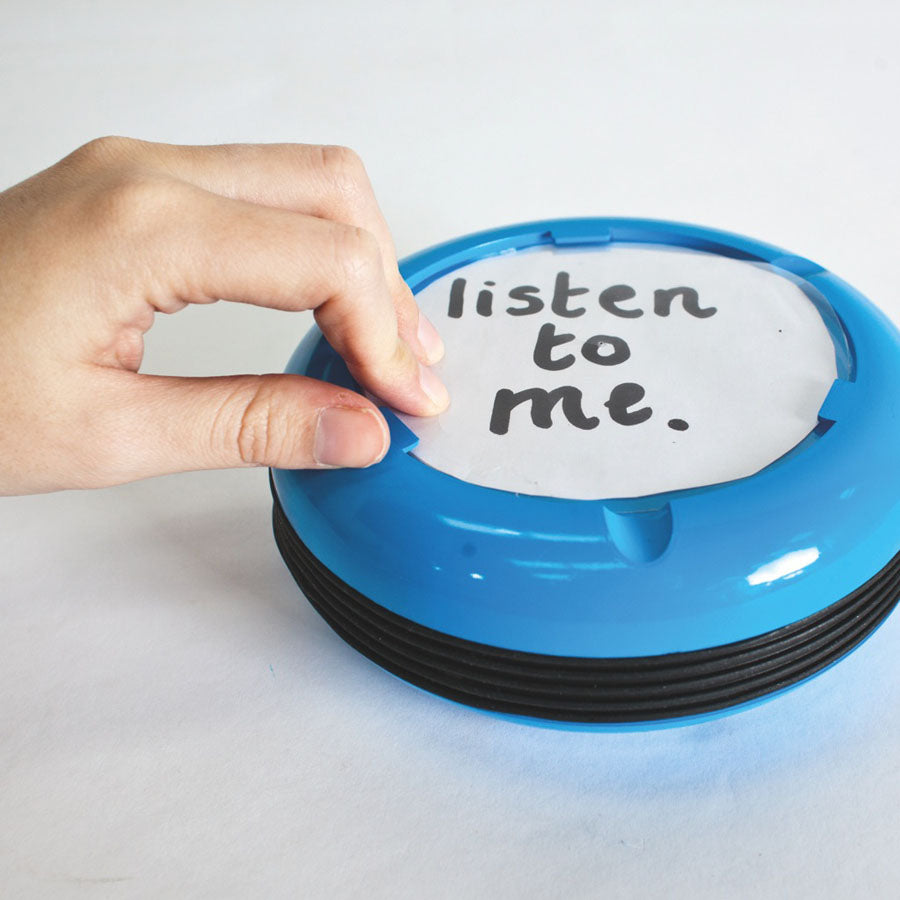
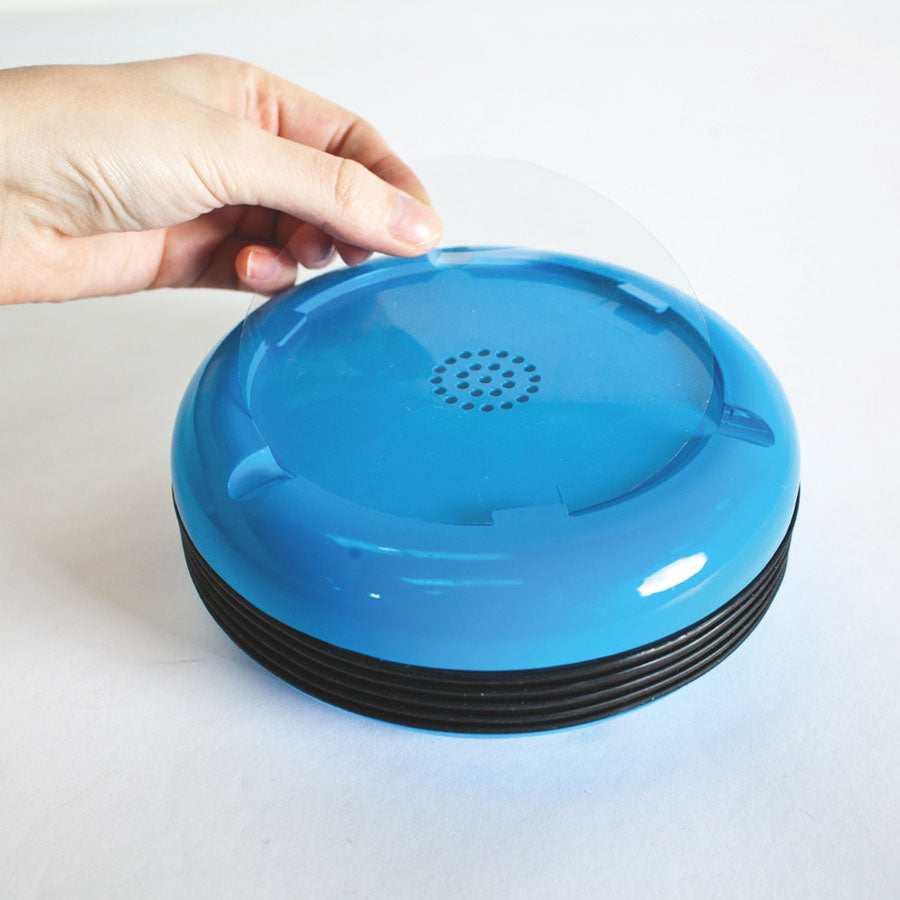
Recordable resources separate speaking from reading, which helps any child whose spoken language is ahead of their written language.
- Record a prompt in a child's home language alongside the English
- Let a child rehearse and replay an answer before committing it to paper
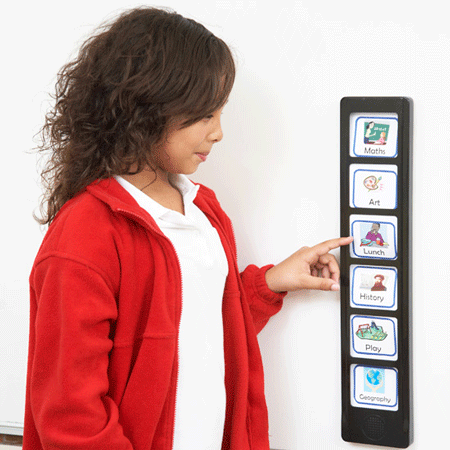
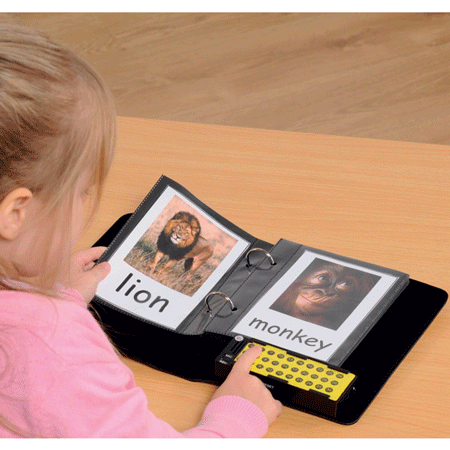
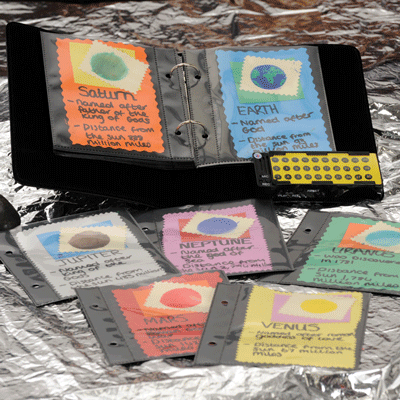
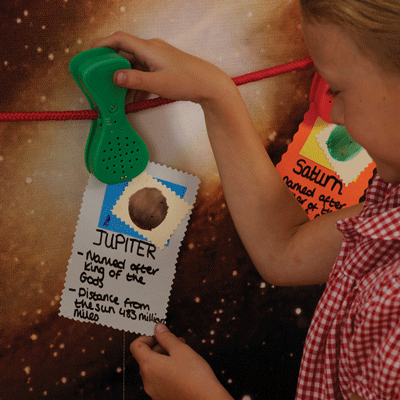
- Talking walls and photo albums for visual timetables and routine language
- Talk-Time cards and recordable buttons for single-step communication
Literacy Resource Questions
Do the recordable boards work with any phonics programme?
Yes. The Jolly Phonics Chatter Board carries a fixed set of 42 sounds. Chatter Board Pro's 44 tiles are recorded by you, so it fits whichever sequence your school teaches.
What's the difference between 42 and 44 sounds?
Jolly Phonics teaches 42 letter sounds. The Sound and Spelling Tubs cover all 44 phonemes of English. Both are standard counts, used differently by different programmes.
Do these suit a whole class or small groups?
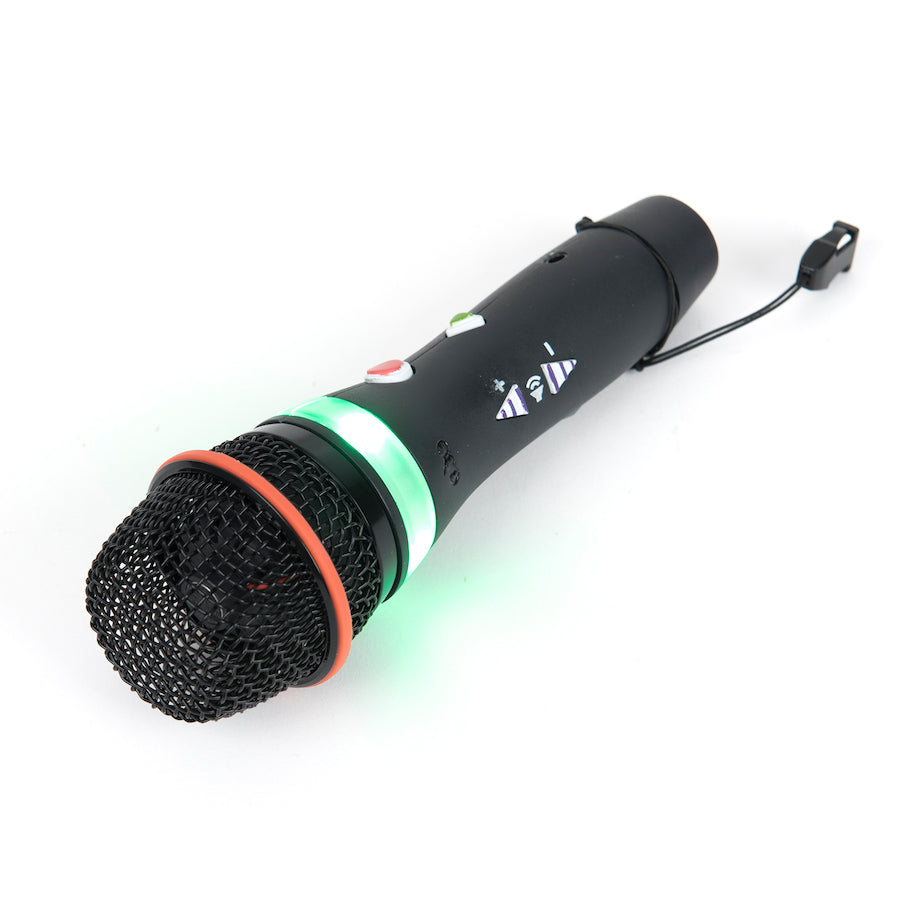
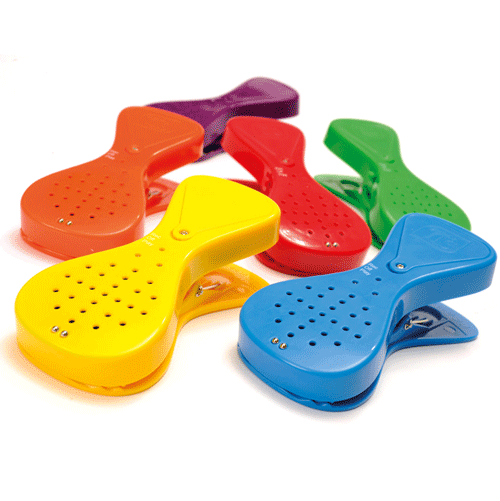
Both. Microphones, buttons and pegs come in six-packs for group rotations; the boards and tubs suit whole-class teaching or an intervention group.
Can they be used outdoors?
The Outdoor Big-Point buttons are built for it. The rest are indoor classroom resources.
How long do recordings last?
Recordings stay until overwritten — record a new sound over the old one whenever the activity changes.
More great STEAM Products from Sammat Education


