







Why Hands-On Science Works
Children remember what they've looked at closely. A magnified leaf, a buried coin found with a detector, a timed experiment that didn't go as predicted — these stay with a child in a way a diagram doesn't.
Hands-on science tools support:
- Close observation and noticing detail
- Asking questions and making predictions
- Measuring, timing and comparing
- Describing findings in their own words
- Working outdoors and bringing evidence back inside

Which Microscope Is Right for Your Classroom
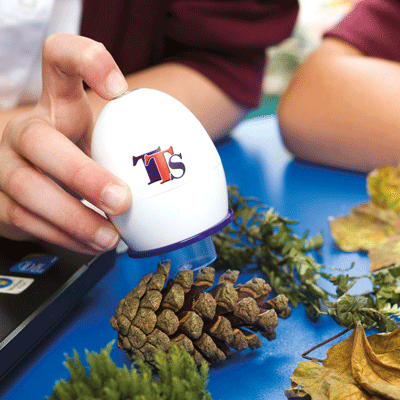
Easi-Scope USB — plugs into a computer, the simplest and most affordable way to get a class started
Digiscope — handheld and portable, good for moving around the room or taking outdoors
Flex-View — 60x to 250x magnification on a flexible arm, for higher magnification at a desk
Easi-Scope Wireless — no cable, so children can carry it to whatever they want to look at
Easi-Scope 3 — handheld with a built-in screen, so there's no computer needed at all
If you're buying for a whole class, the USB and handheld models are the usual choice. If you want children investigating outside, pick a wireless or screen-based model.

Running an Investigation
Ask a question — what lives in the garden bed, what's under the soil, which surface holds heat longest
Predict what you'll find, and say why
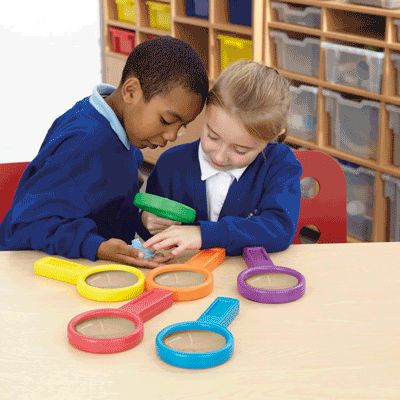
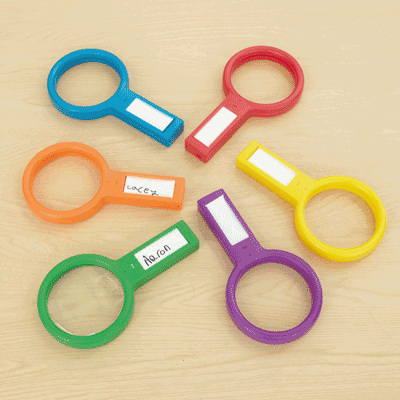
Investigate with a microscope, detector, magnifier or binoculars
Time and measure using stopwatches, so results can be compared
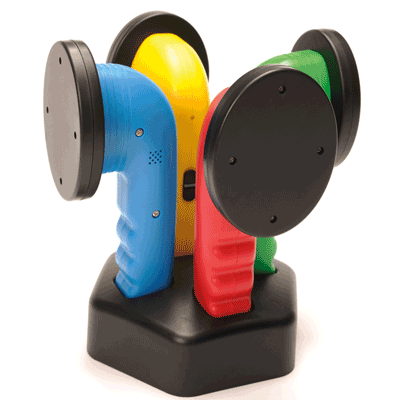
Record what happened — the recordable magnifiers and binoculars let children capture an observation on the spot, before they lose it
Explain findings to the group and compare with the original prediction
Related Collections


