
Why Place and Community Come First
Young children understand the world from the inside out — their home, their street, their school, then their town and country. HSIE builds on that by helping them describe familiar places and compare them with places they haven't been.
Place-based HSIE learning builds:
- Directional and positional language
- Early map reading and spatial awareness
- Understanding of roles and services in a community
- Comparing features of different places
- Respect for how other people live

Which Mat for Which HSIE Topic
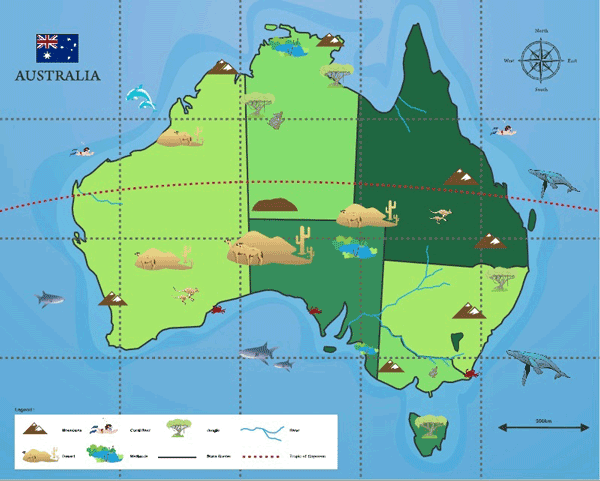
Australia Map Mat — locating places in Australia and where we live
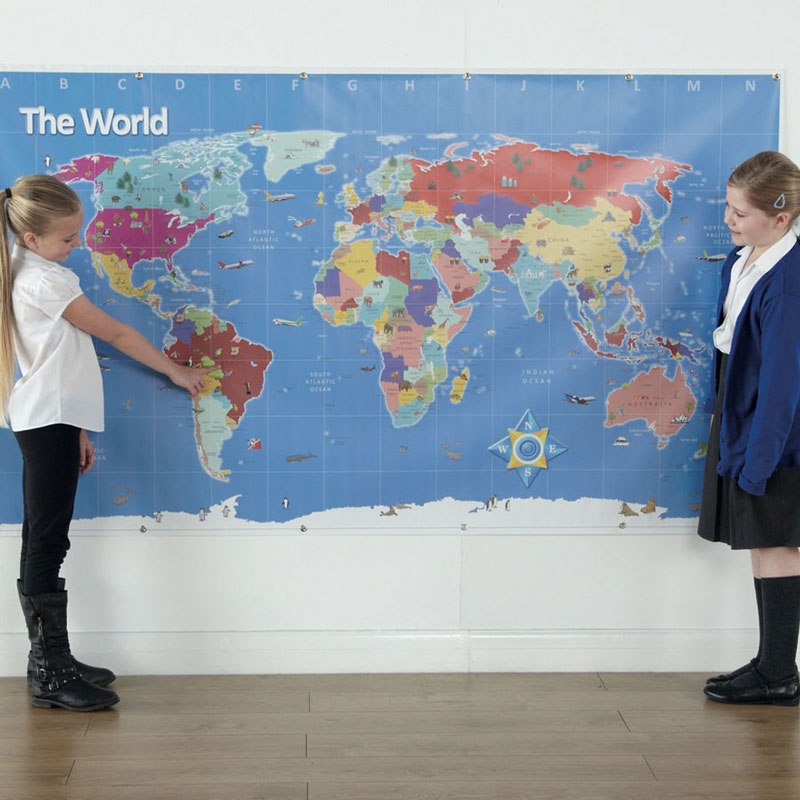
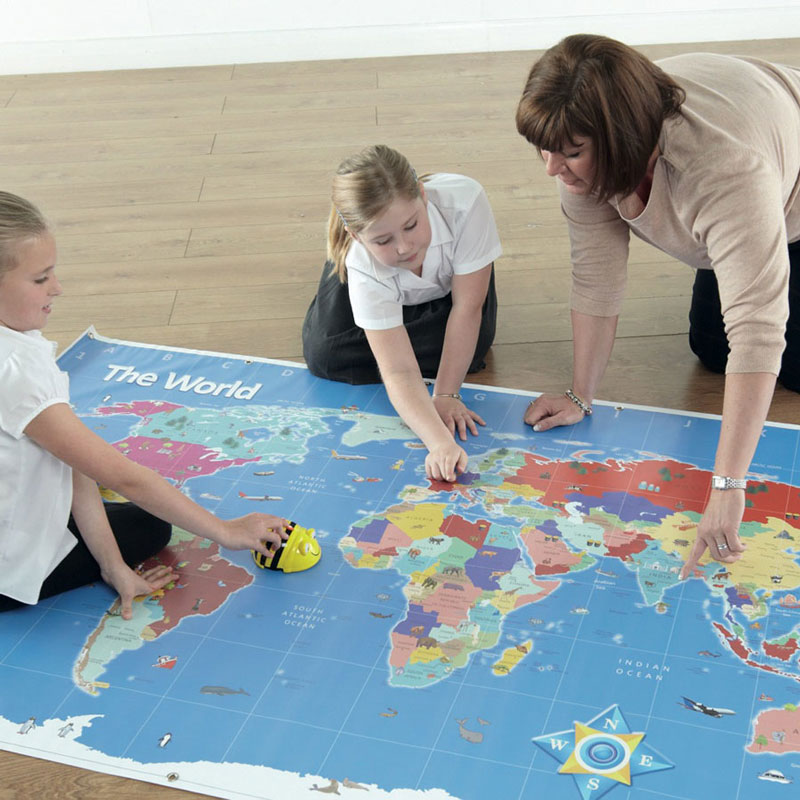
World Map Mat — continents, oceans and countries
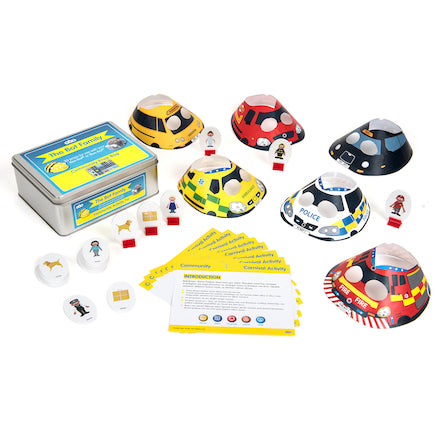
People Who Help Us mat and tin — community roles and the services people provide
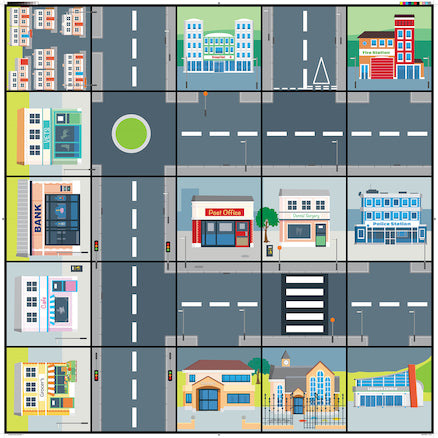
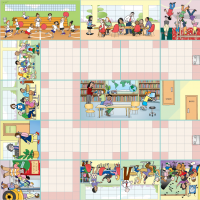
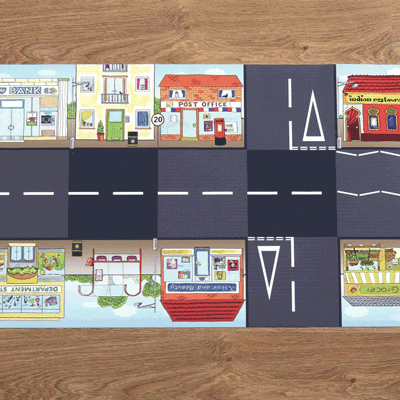
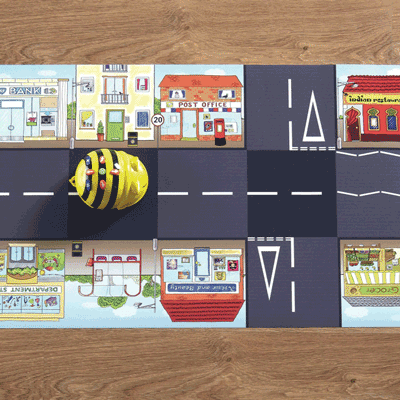
School Mat and Busy Street Mat — familiar local places and features of a neighbourhood
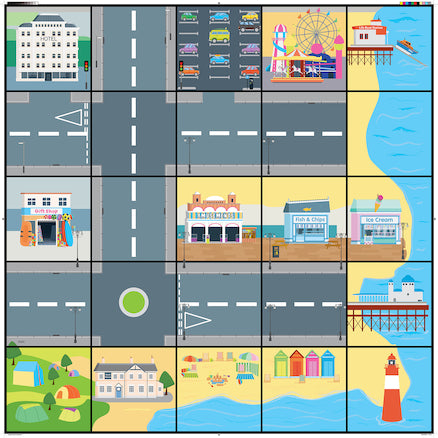
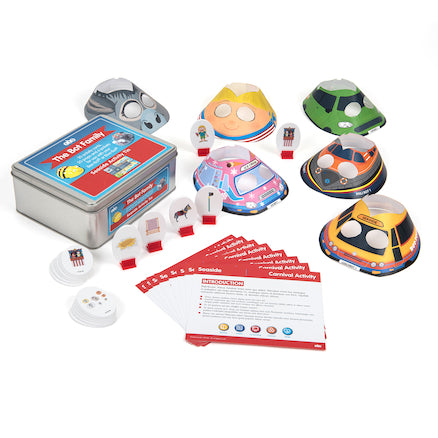
Seaside mat and tin — coastal places and comparing environments
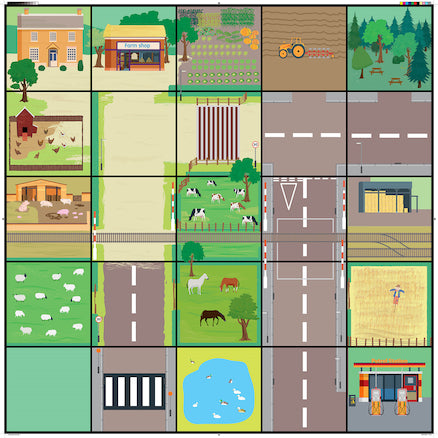
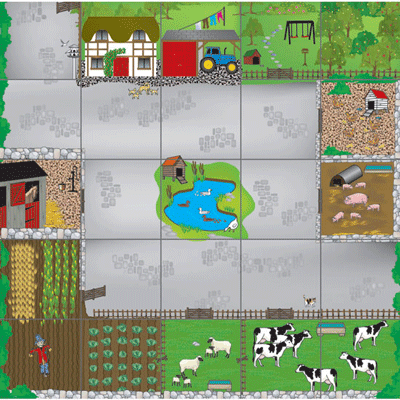
Countryside and Farmyard mats — rural places and where food comes from
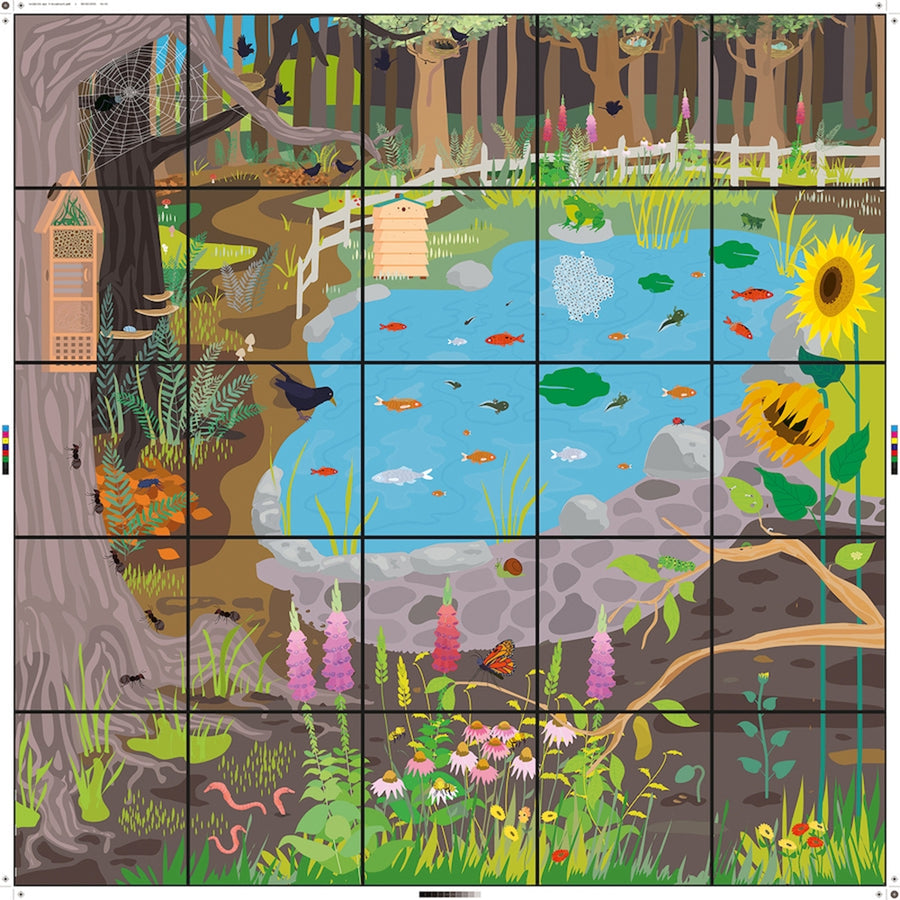
Wildlife Garden Mat — caring for local environments
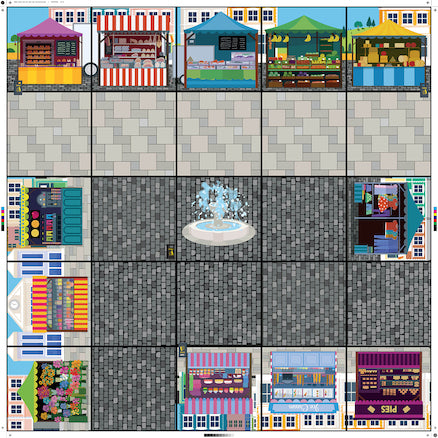
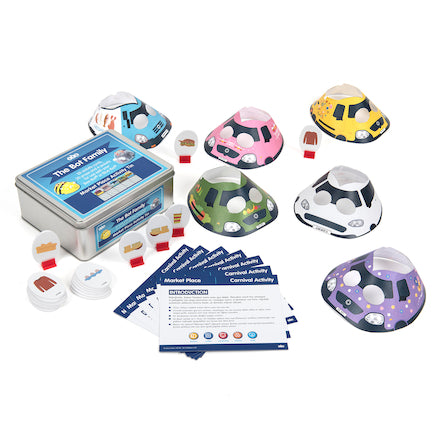
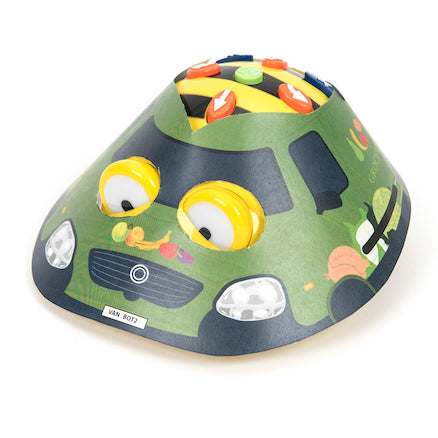
Marketplace mat and tin — goods, services, buying and selling
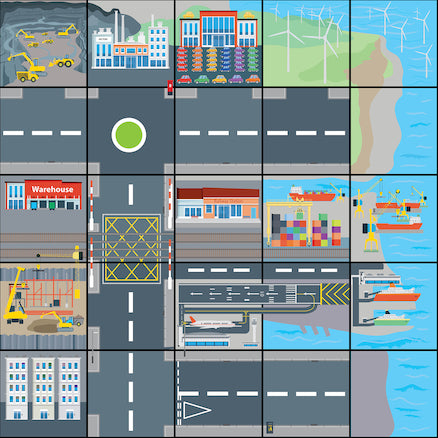
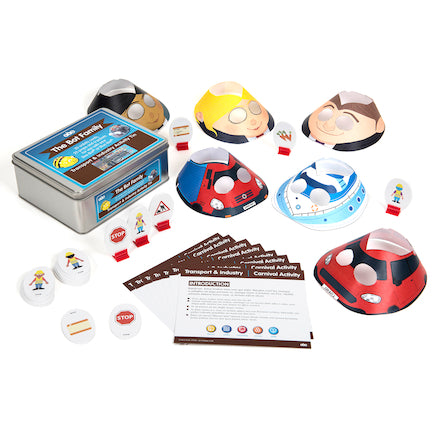
Transport Mat and Transport & Industry Tin — how people and goods move from place to place

Using the Mats in an HSIE Lesson
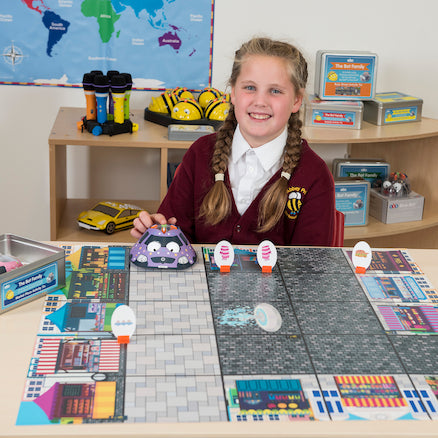
Set a destination — the post office on the Busy Street mat, or Sydney on the Australia map
Plan the route aloud using directional language before programming anything
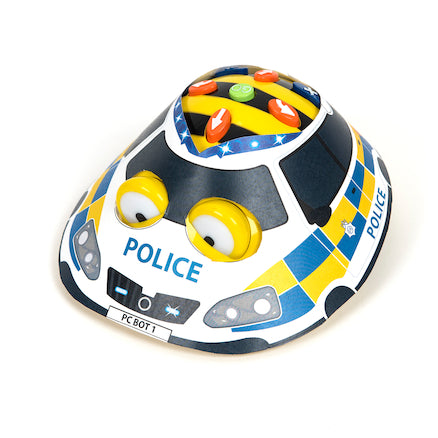
Program the robot and watch whether it arrives where the group predicted
Discuss the place it reached — who works there, what happens there, how it compares
Repeat with a new destination, or let children set challenges for each other
The same routine works without a robot: children move a counter or small-world figure across the mat instead.
Related Collections


