


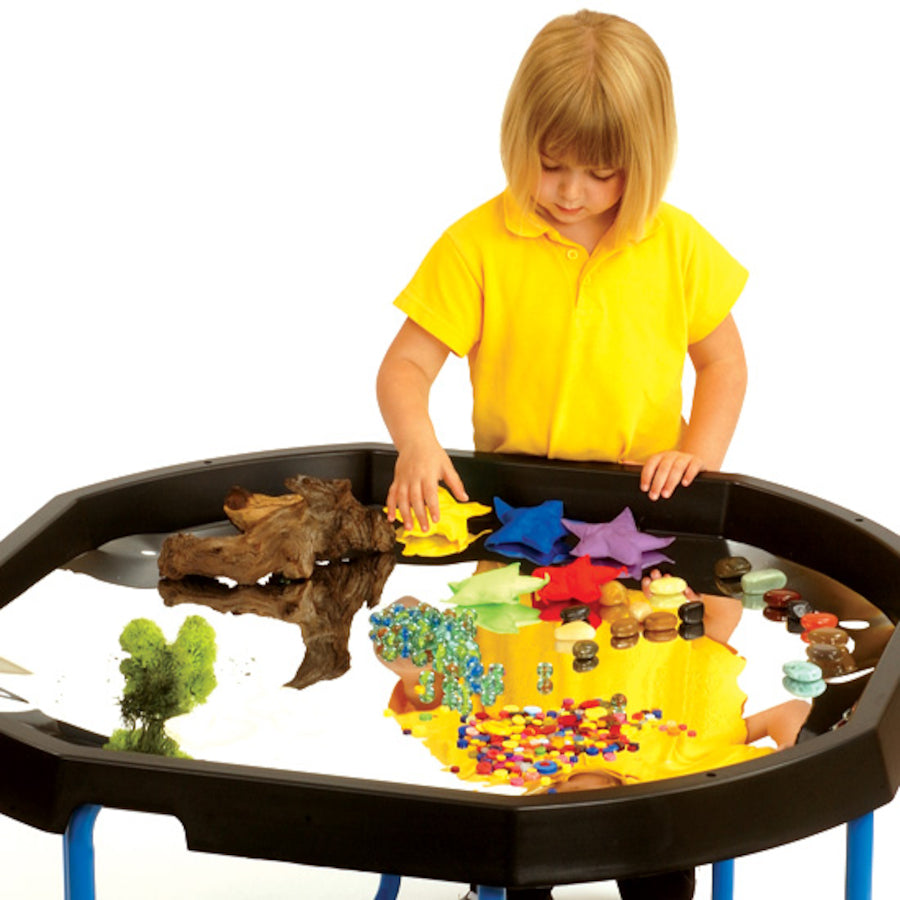
Why a Tuff Tray Earns Its Place in Early Learning
A tuff tray gives messy play a boundary. Sand stays in the sand, water stays in the water, and a group of children can work around one surface without getting in each other's way. That containment is what makes open-ended play manageable in a busy room.
Because the tray is a blank surface, the learning changes with whatever you put in it — which maps naturally onto the Early Years Learning Framework's emphasis on play-based, child-led exploration.
Through tuff tray play, children build:
- Fine and gross motor control — scooping, pouring, digging, transferring
- Language, as they narrate and negotiate a shared scene
- Problem-solving, testing what floats, fits, balances or pours
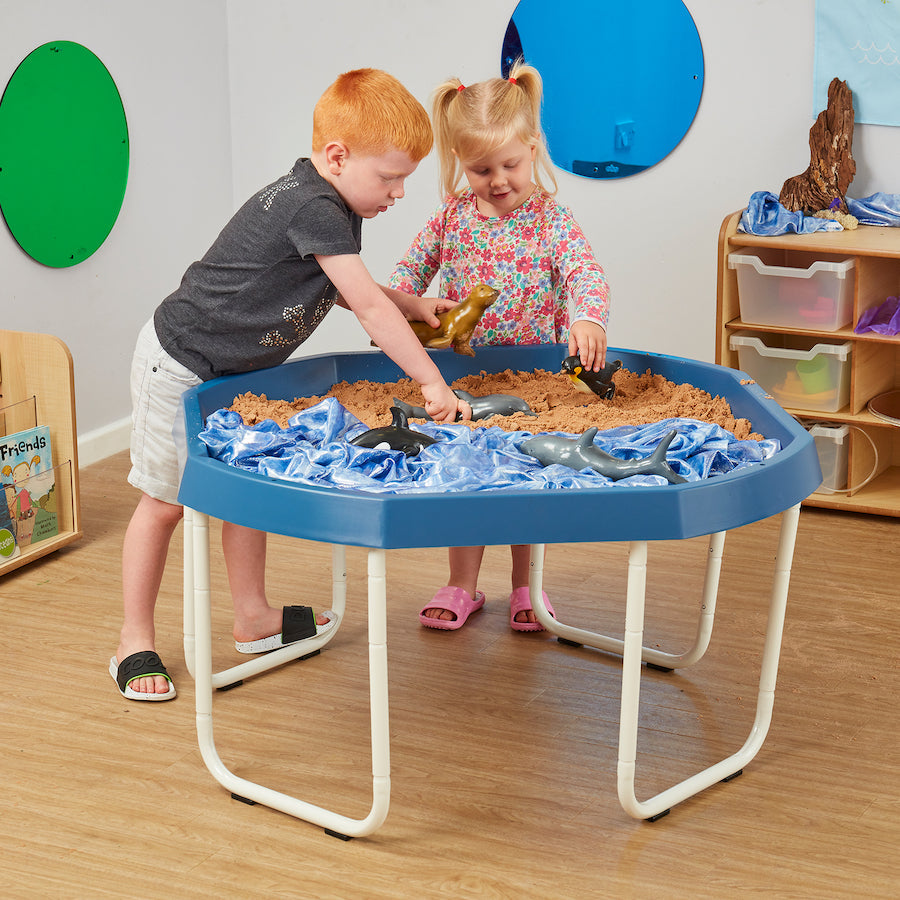
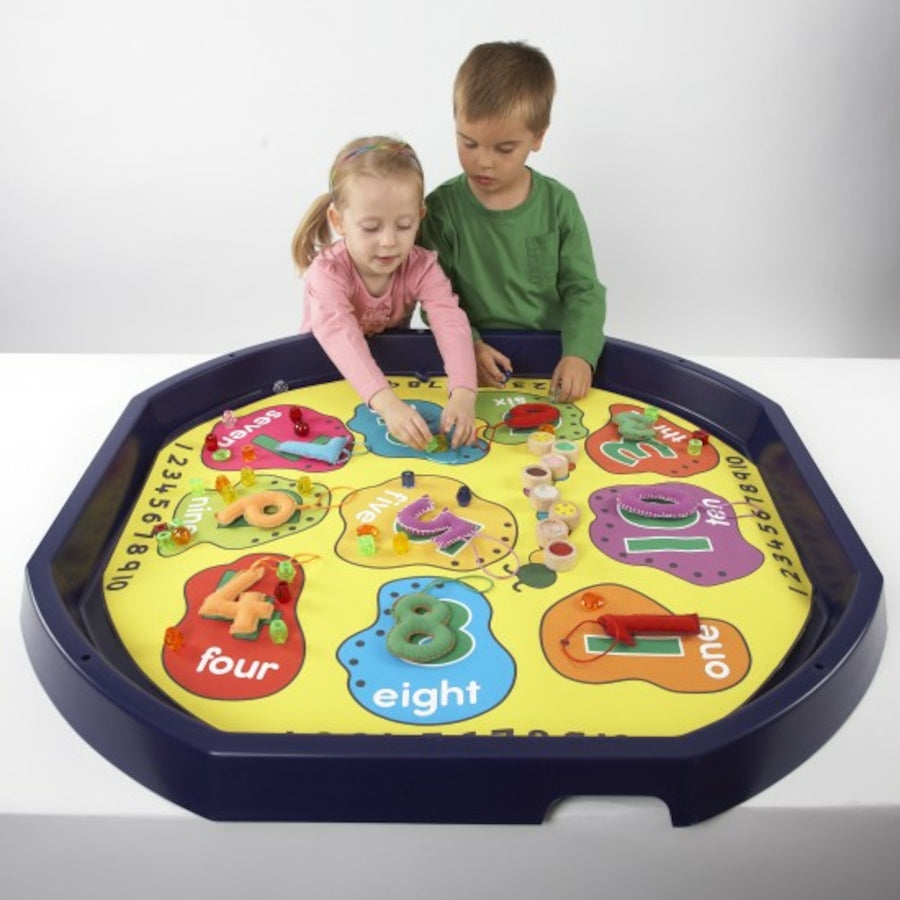
- Turn-taking and collaboration around a single space
- Confidence to make a mess and then put it right

Tuff Tray Sizes & Specifications
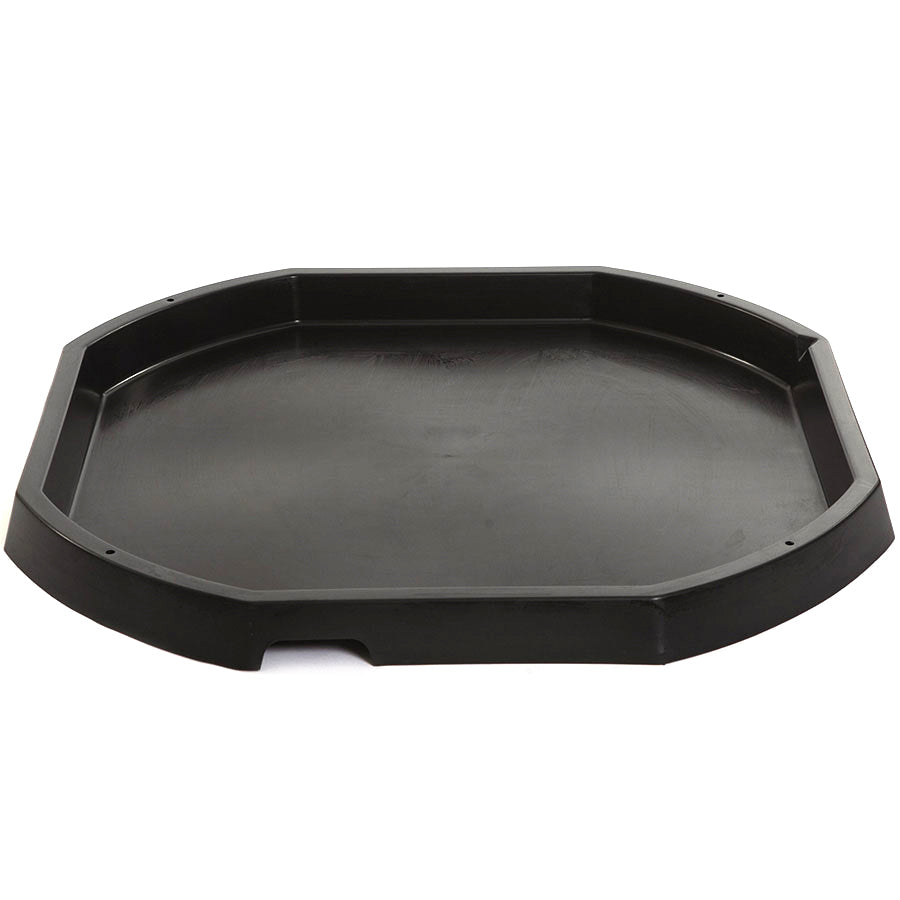
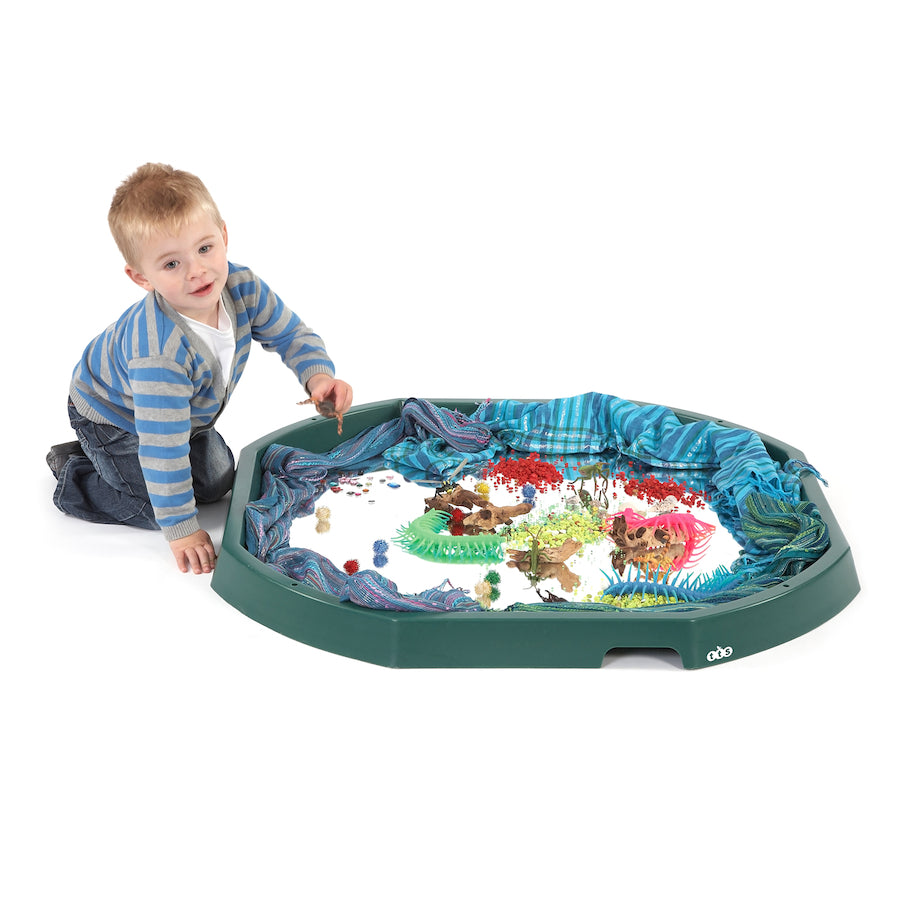
The Active World Discovery Tuff Tray is the full-size tray used in early learning centres across Australia.
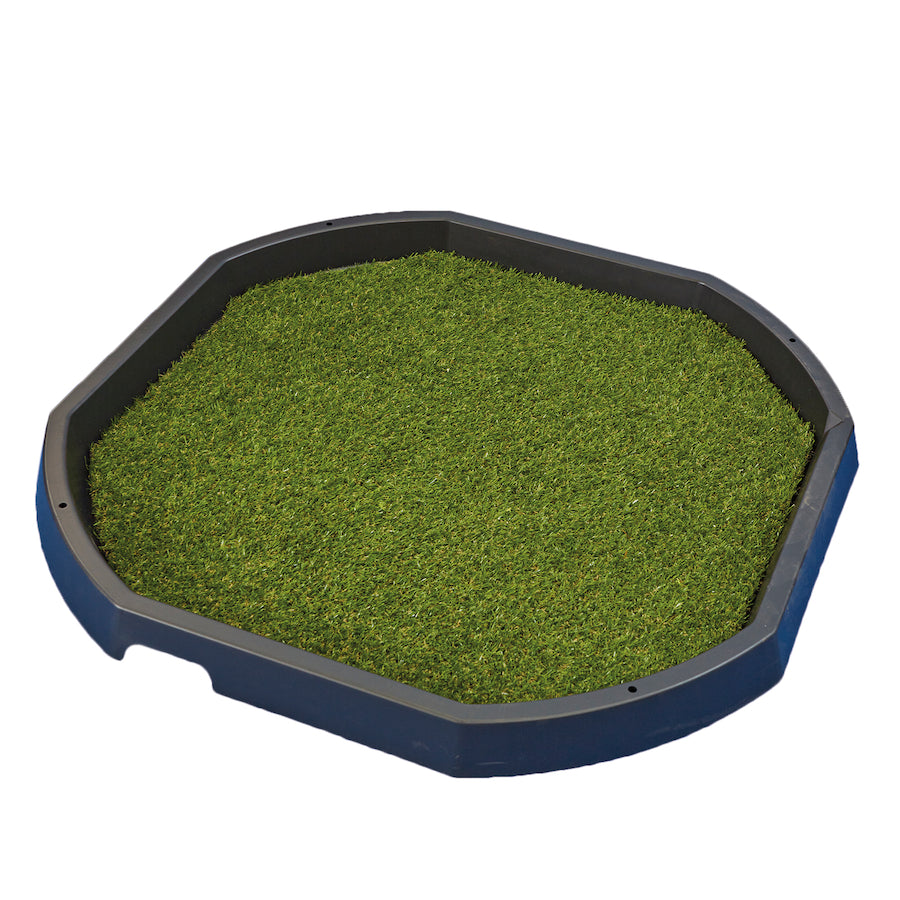
- Size — 94cm across the outside, with 86cm of usable space inside
- Depth — 6cm sides, deep enough to hold sand, water, soil or dough
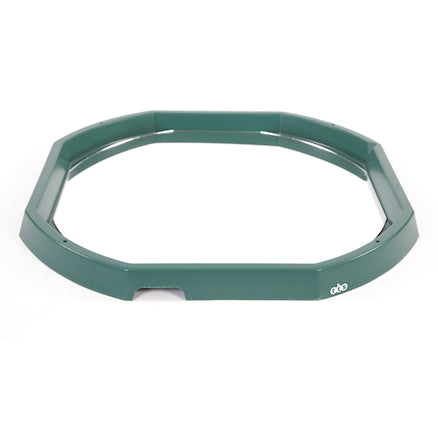
- Shape — eight-sided, so children gather evenly around it
- Material — moulded recycled plastic
- Emptying — a moulded pouring spout, with handhold spaces on the rim
- Colours — black, blue or green
- Storage — stacks flat and can be left outdoors between sessions
- Age — suitable from 3 years (not suitable under 36 months, small parts)

Tuff Tray Ideas for Sensory and Small-World Play
One tray, a different activity every week. Educators use tuff trays for:
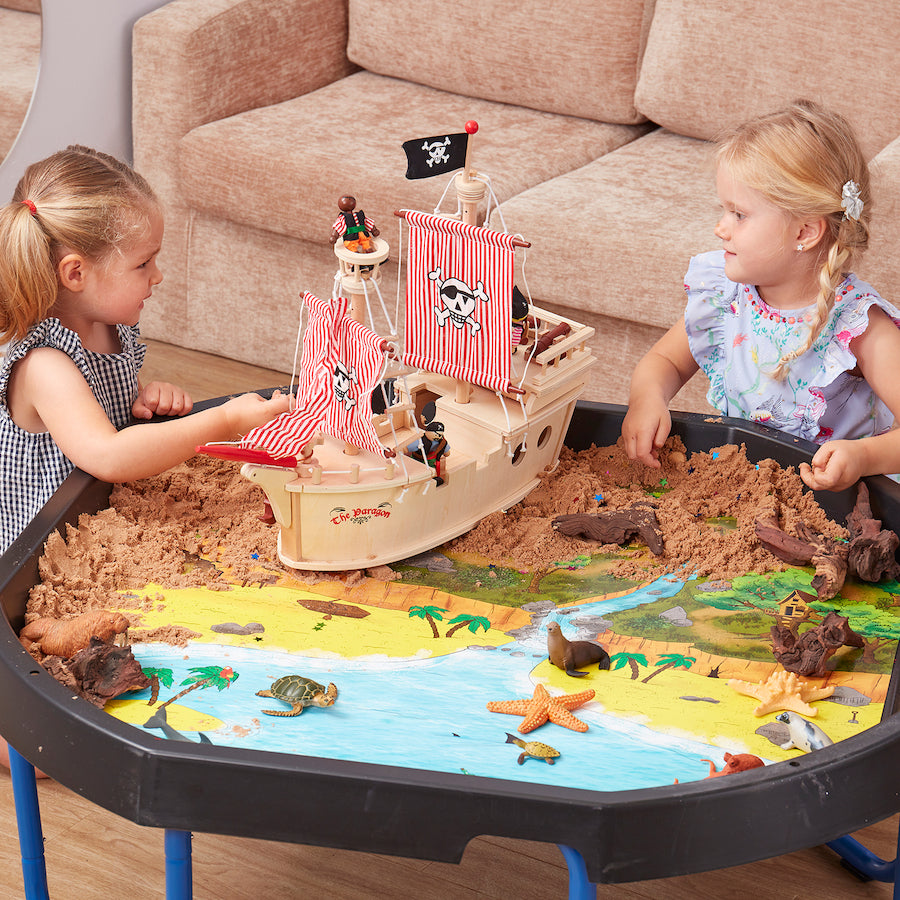
- Sand and water play — digging, pouring, floating and sinking
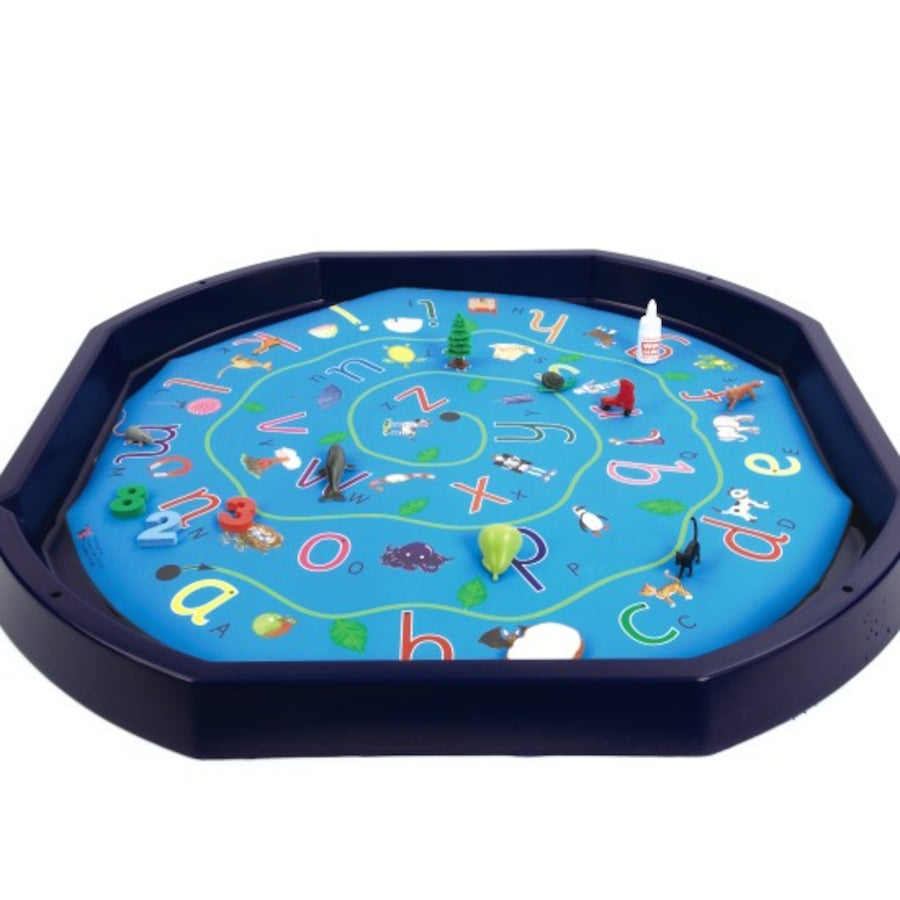
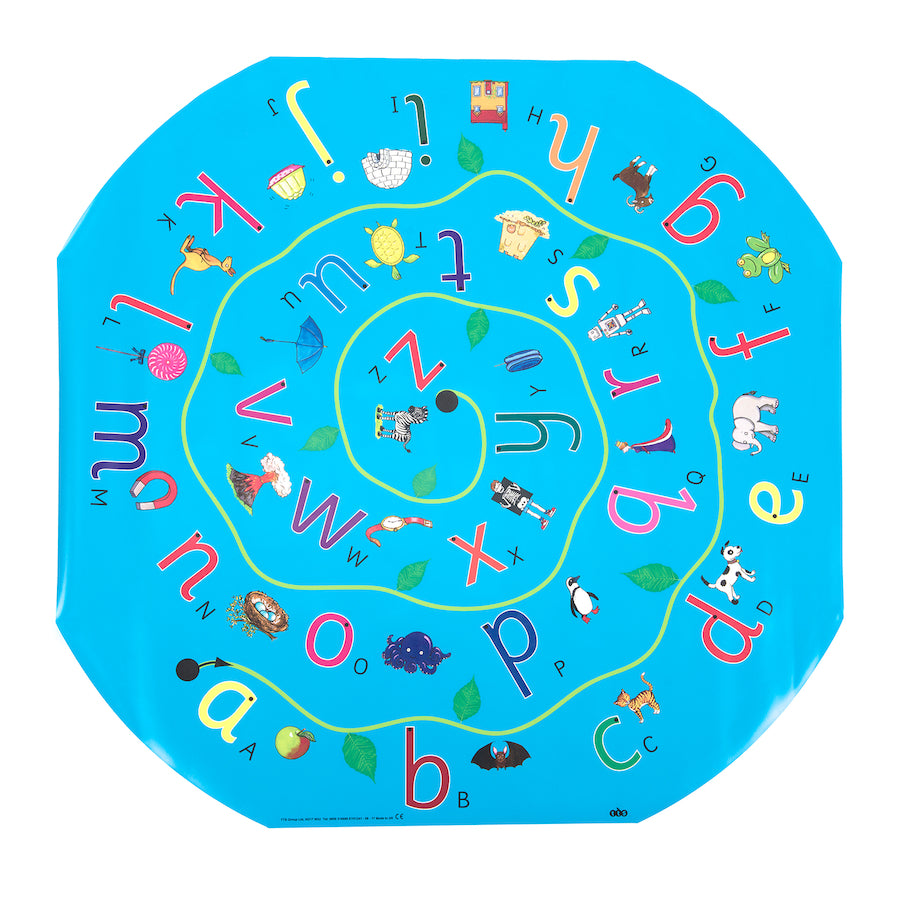
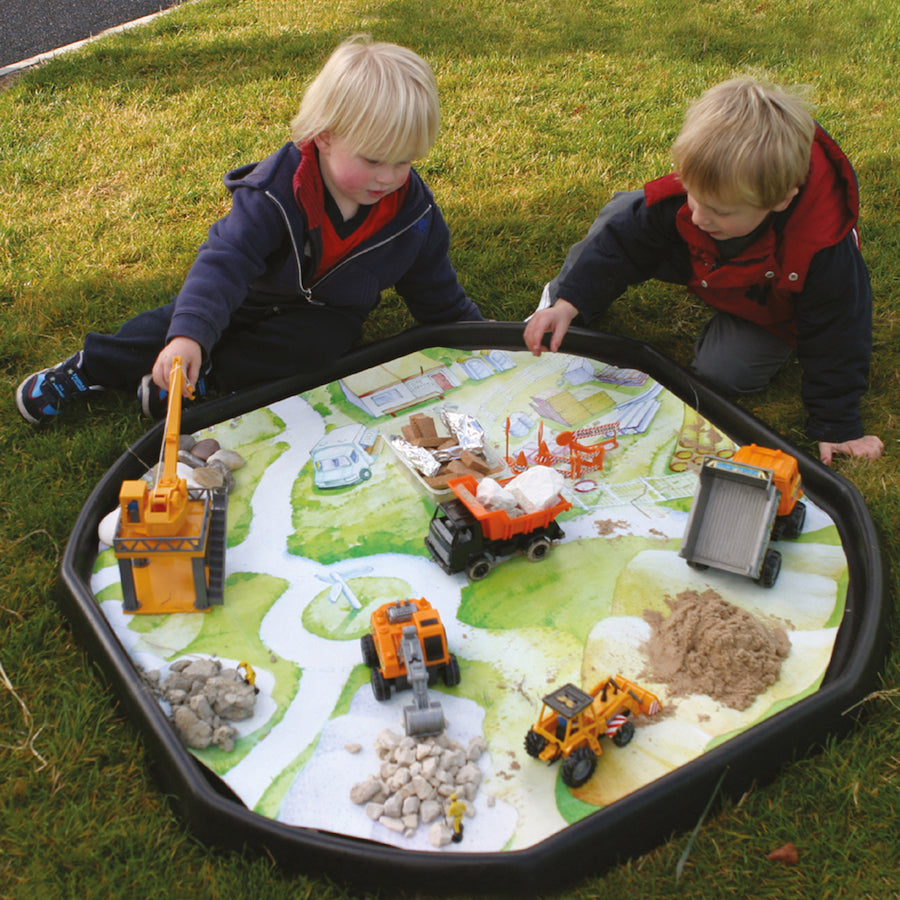
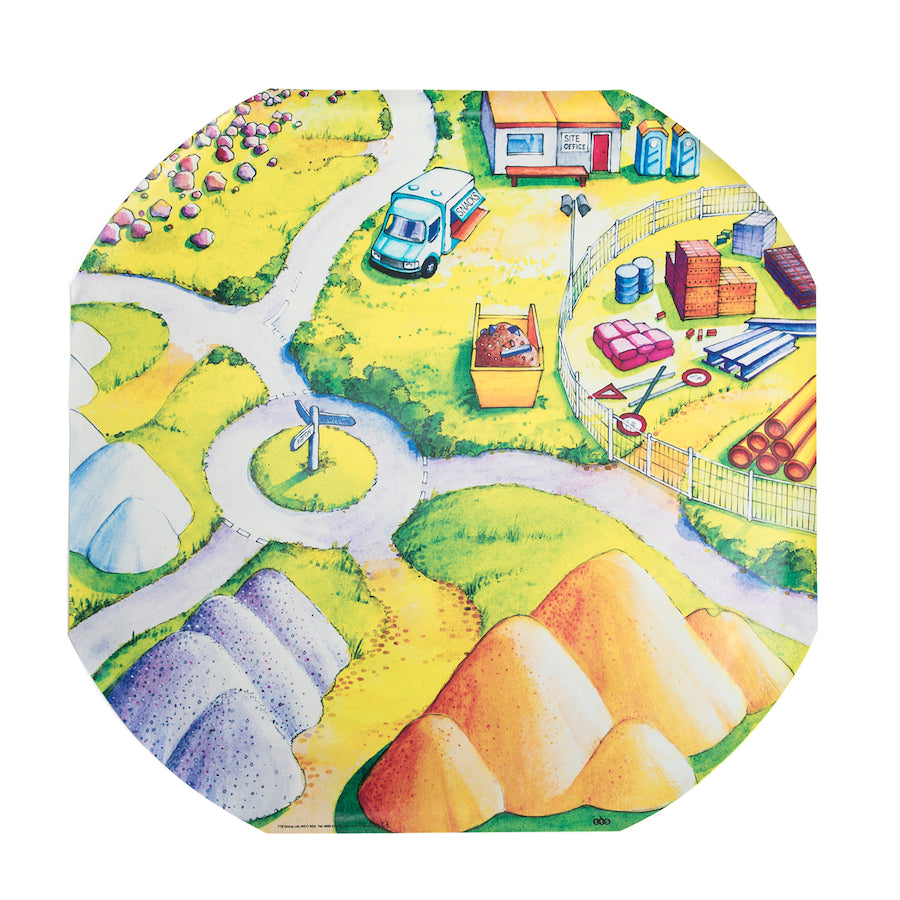
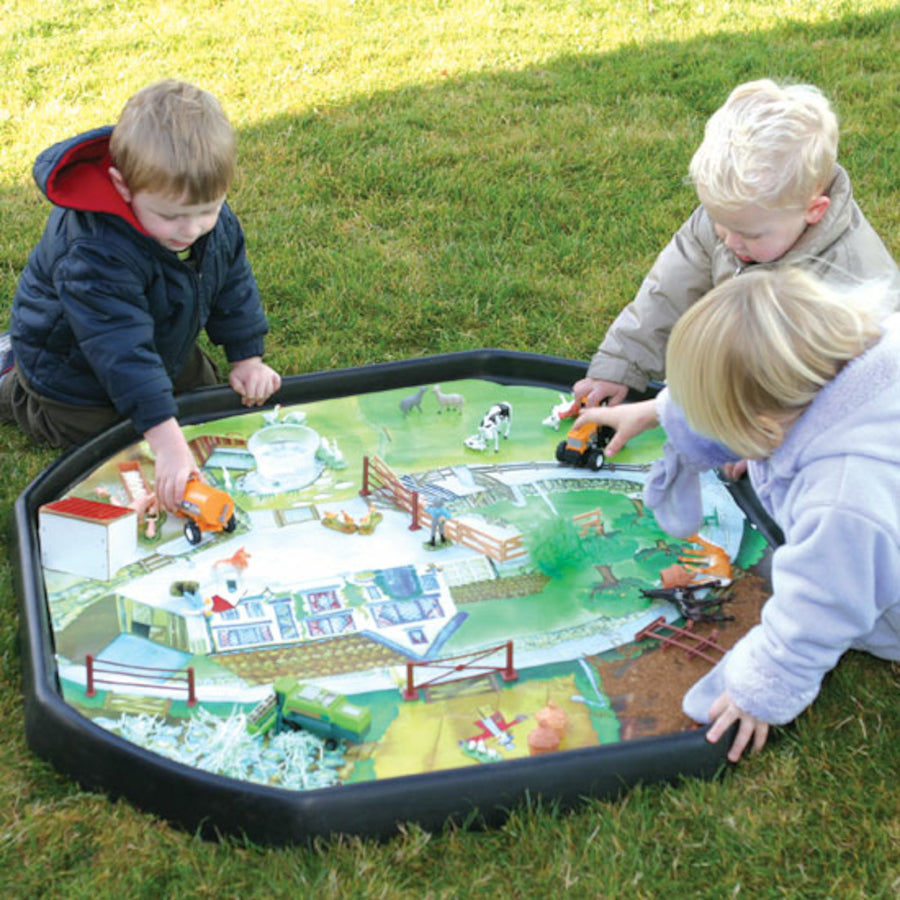
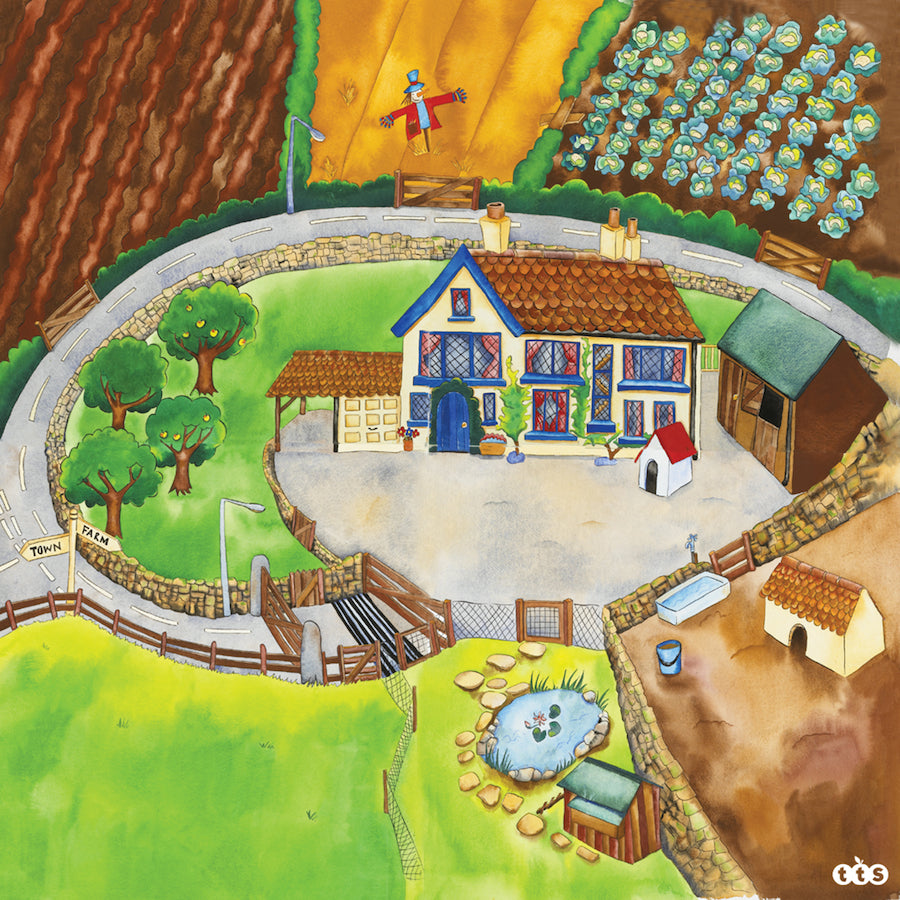
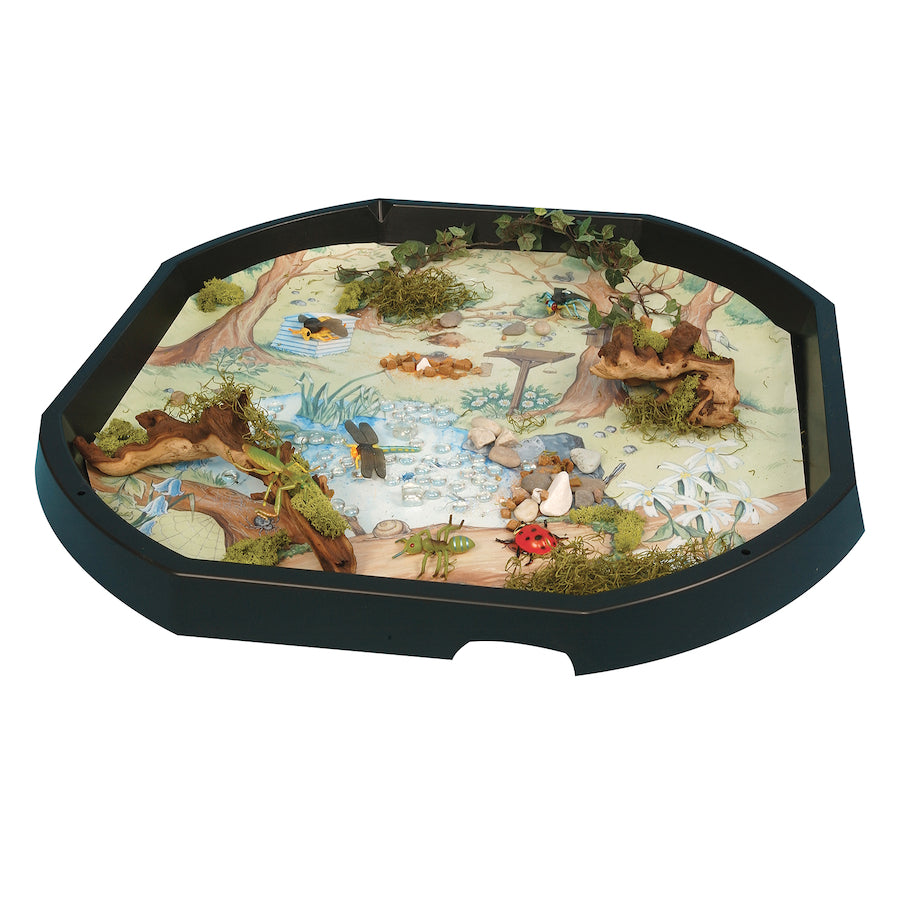
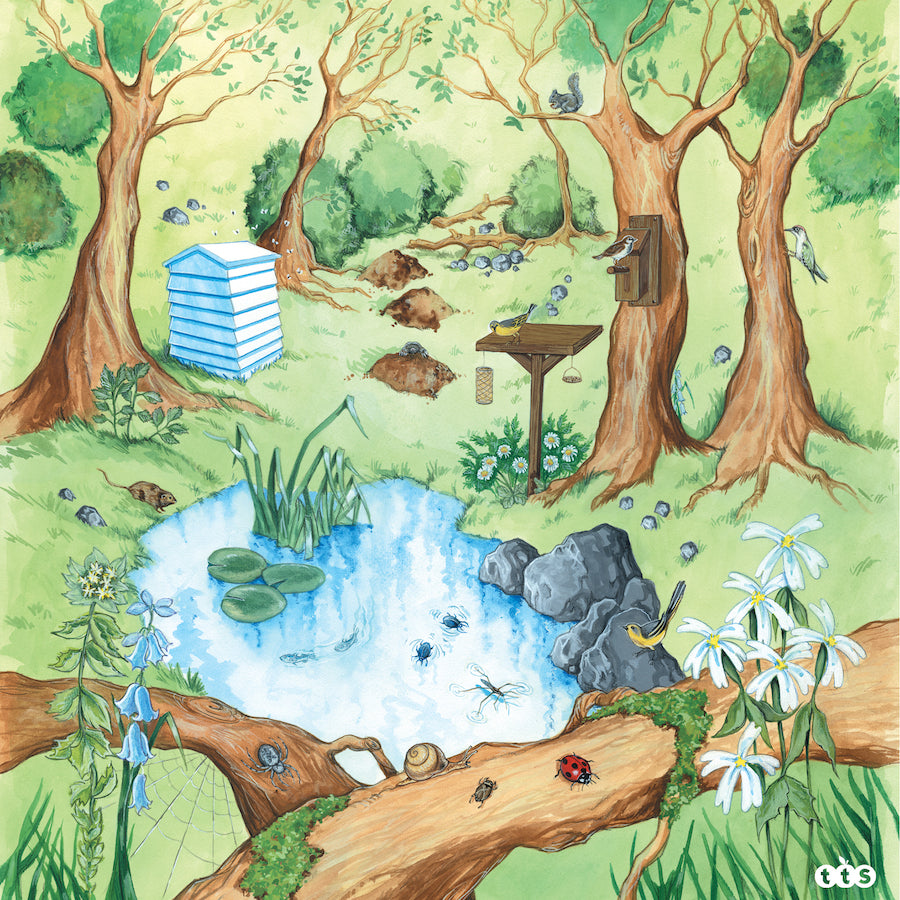
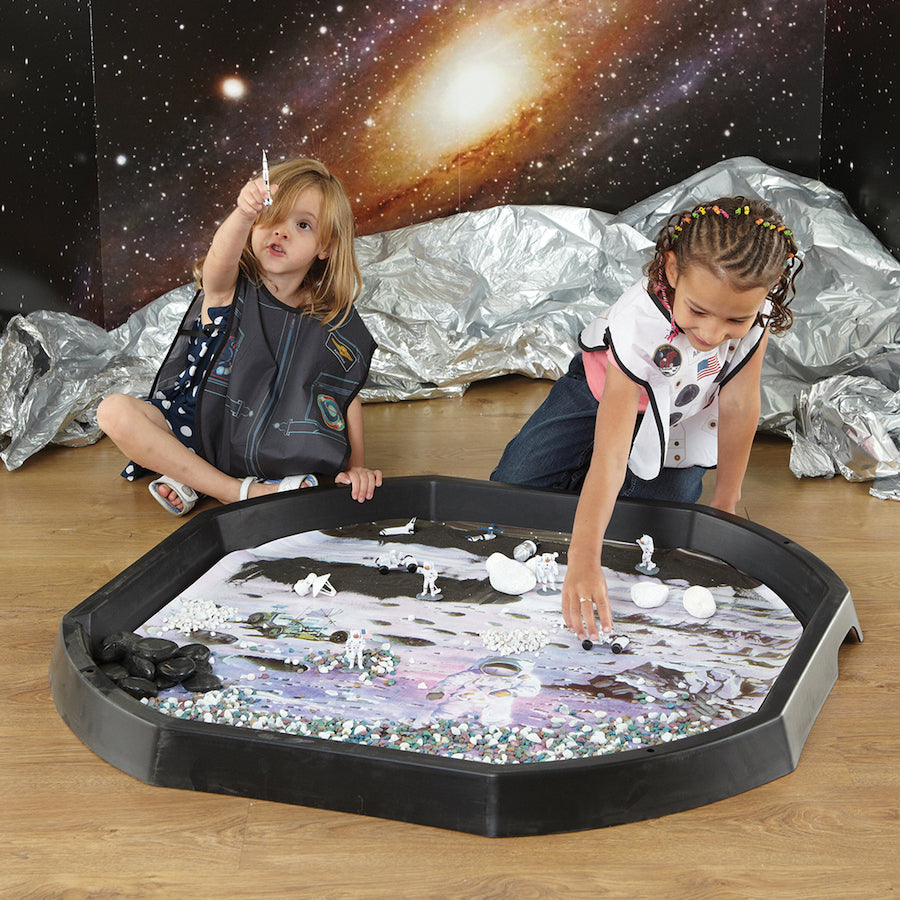
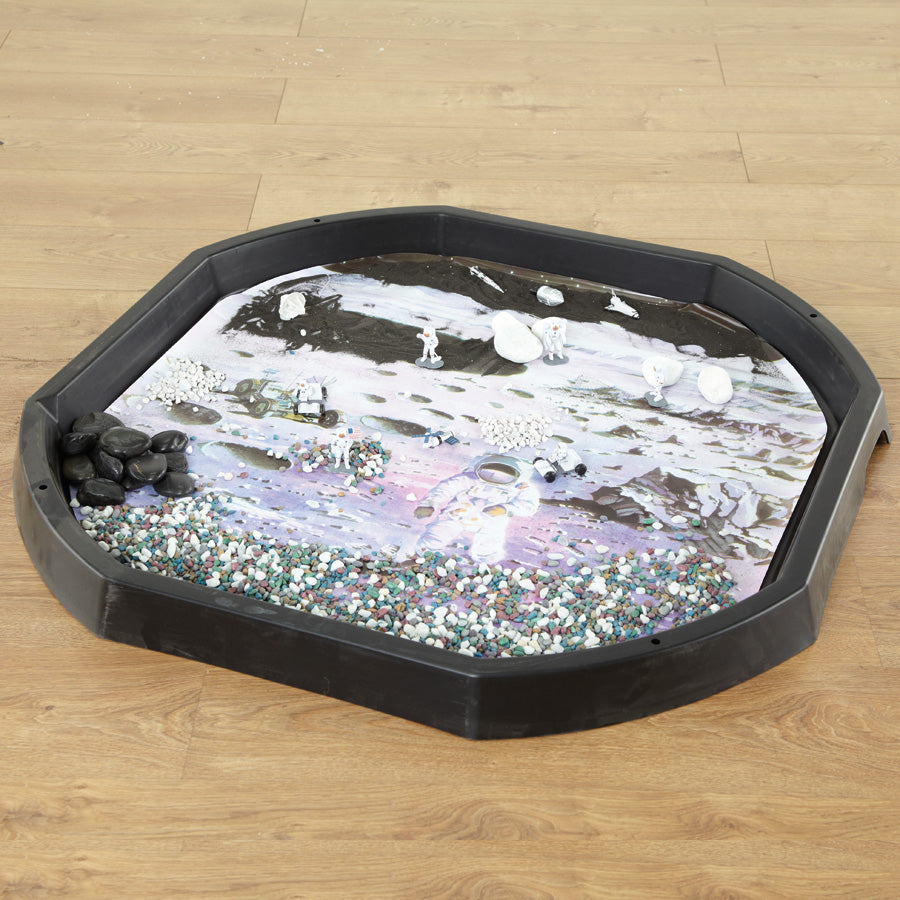
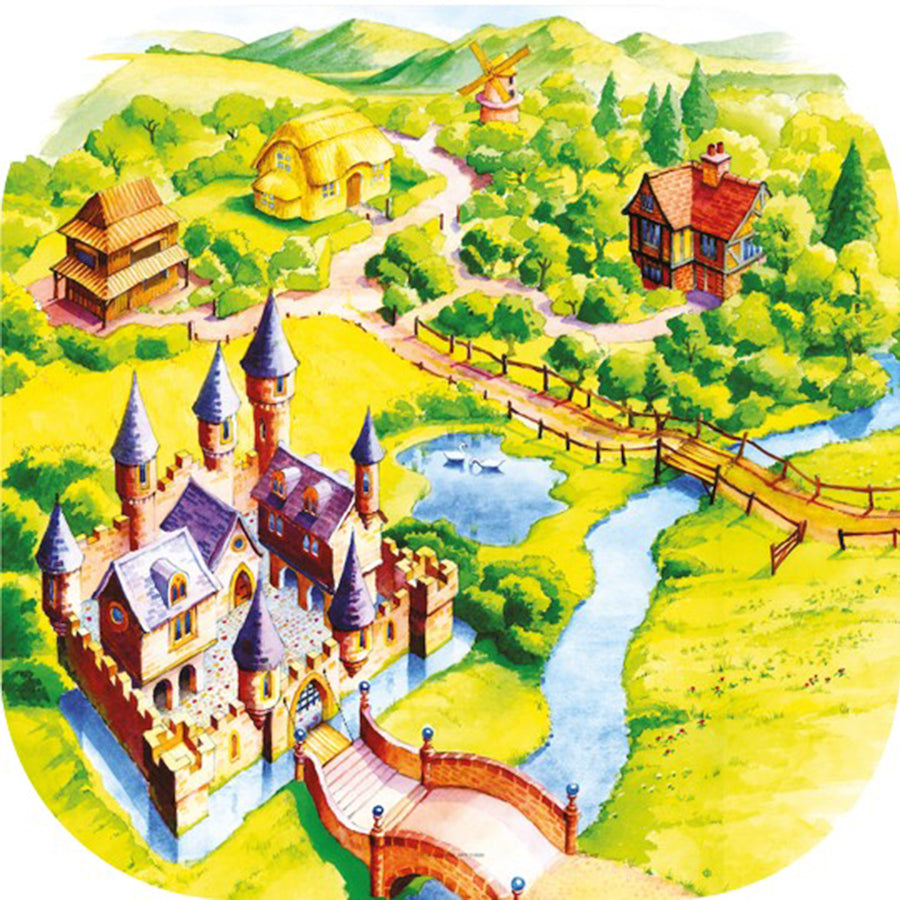
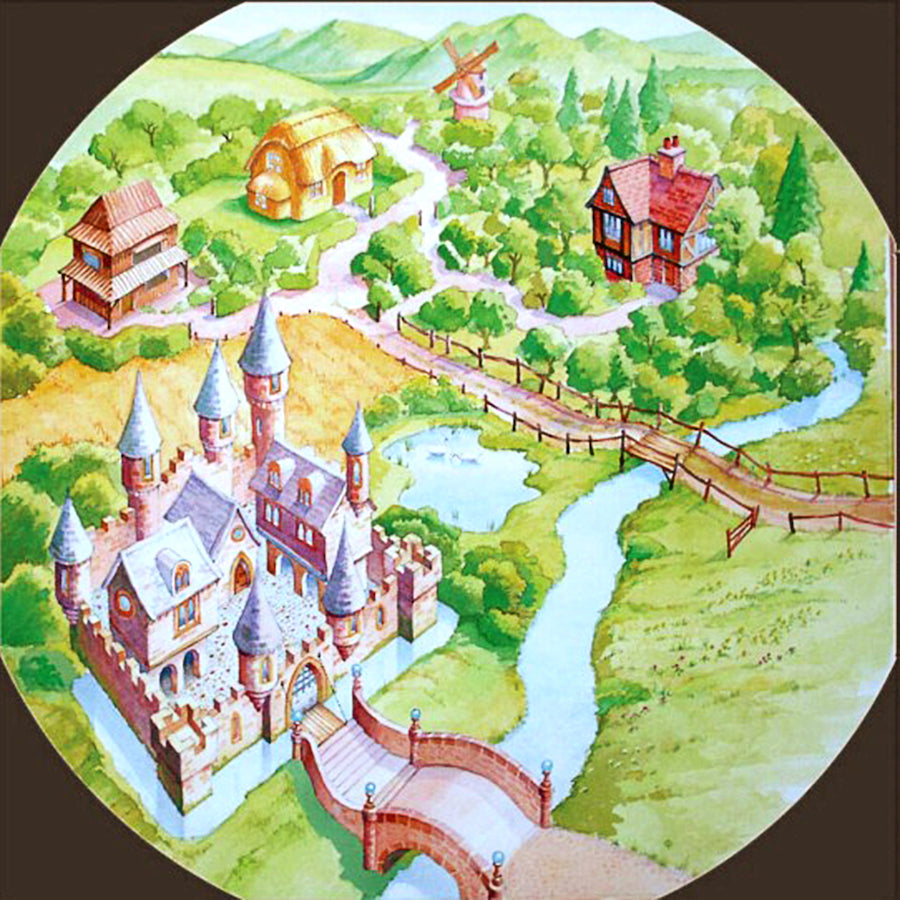
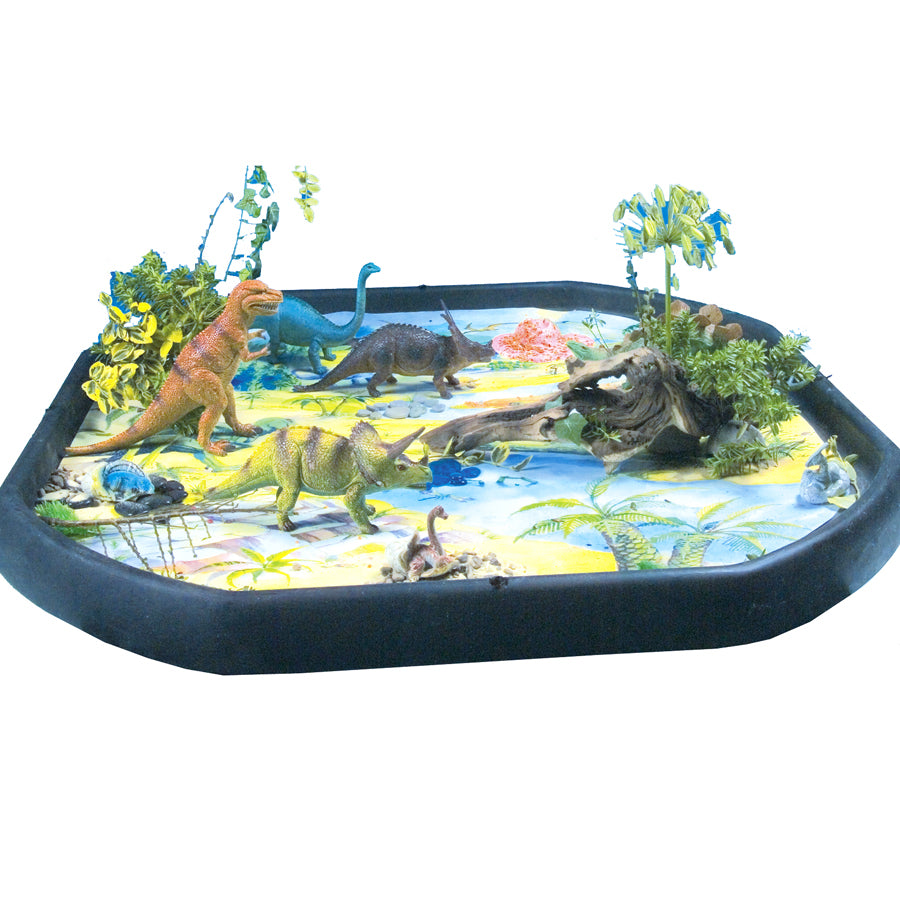
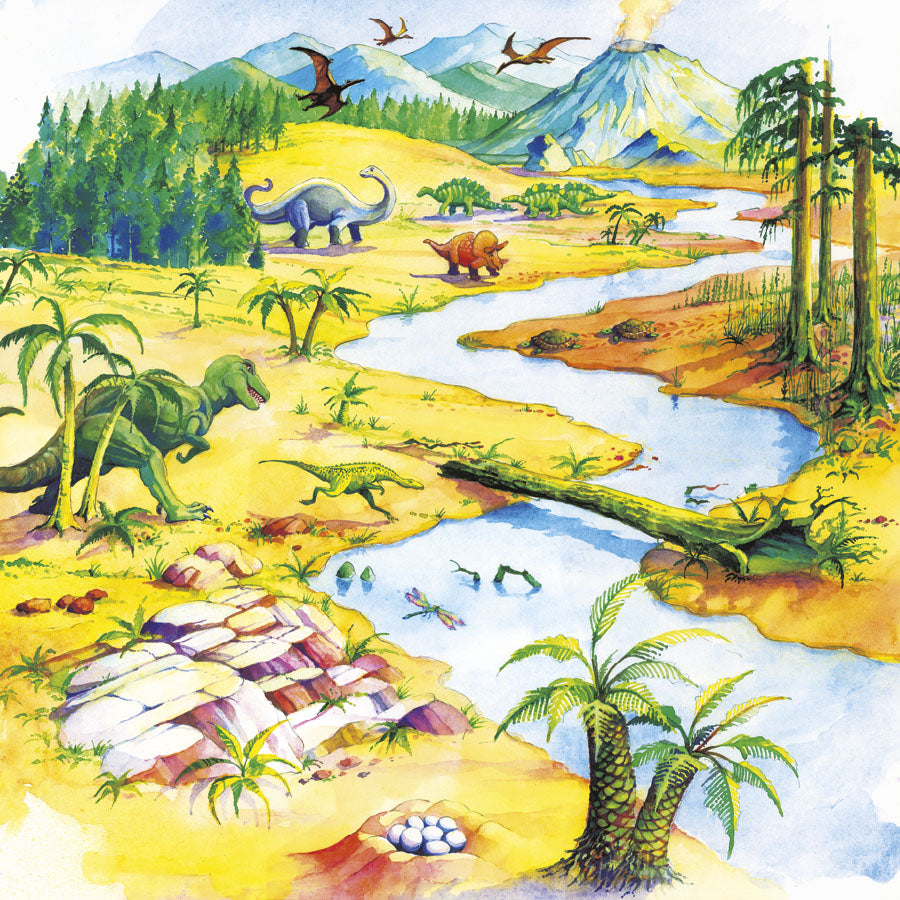
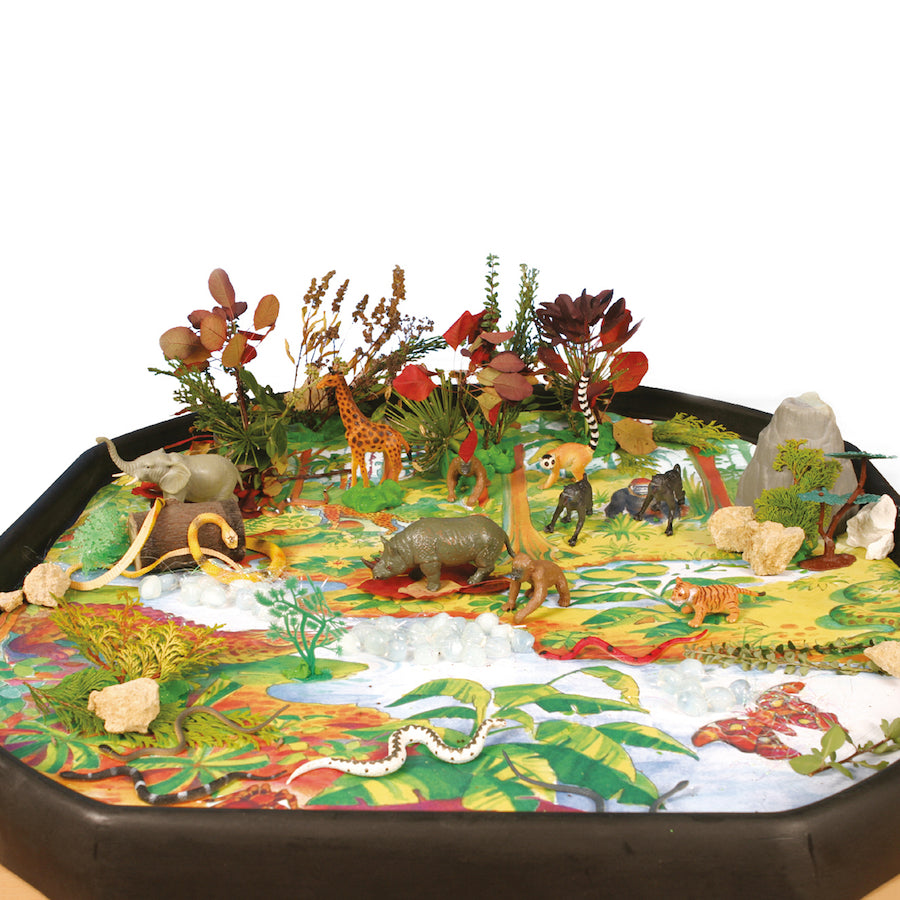
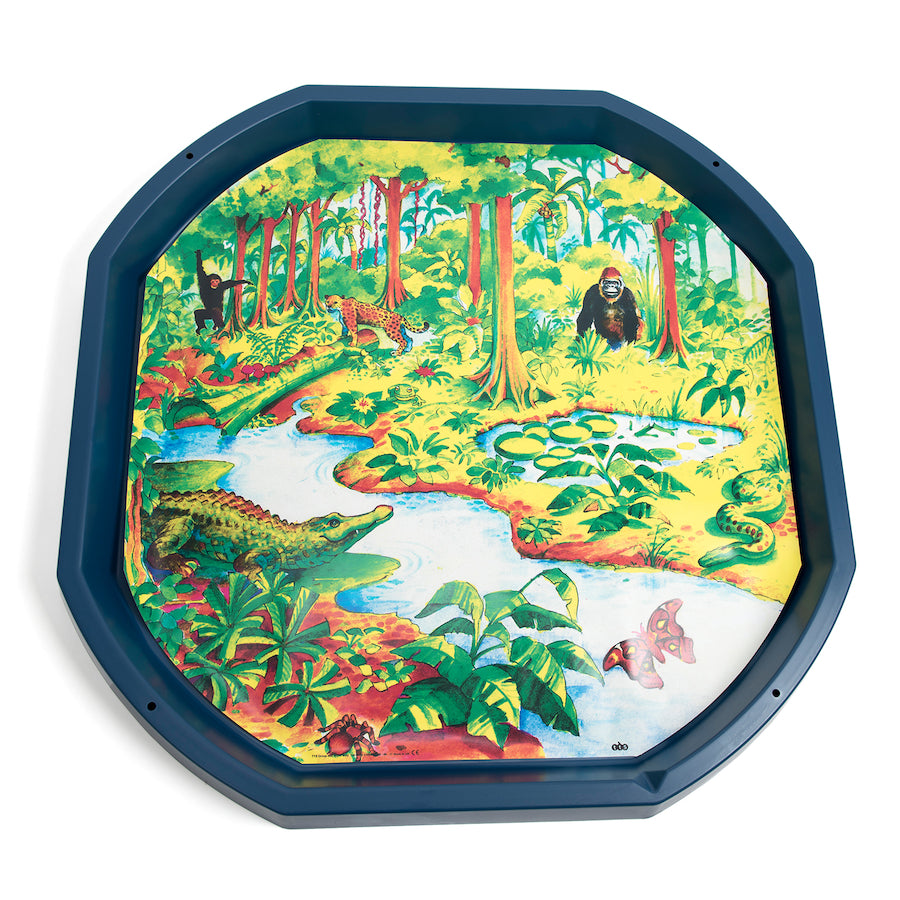
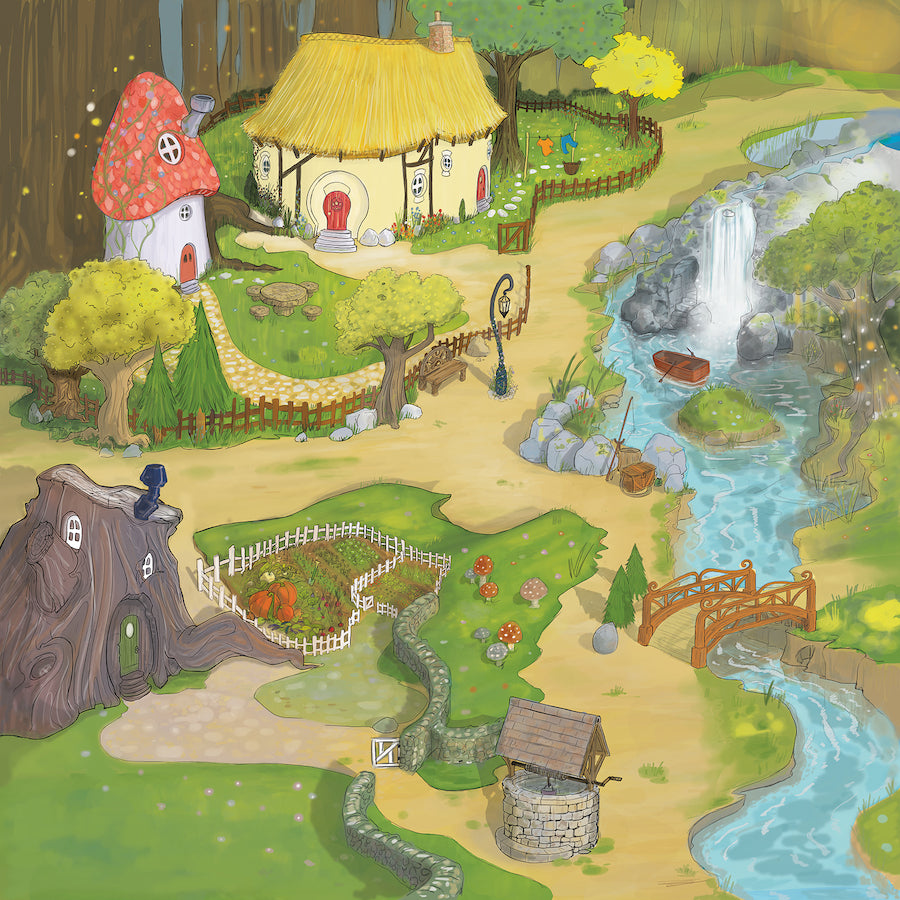
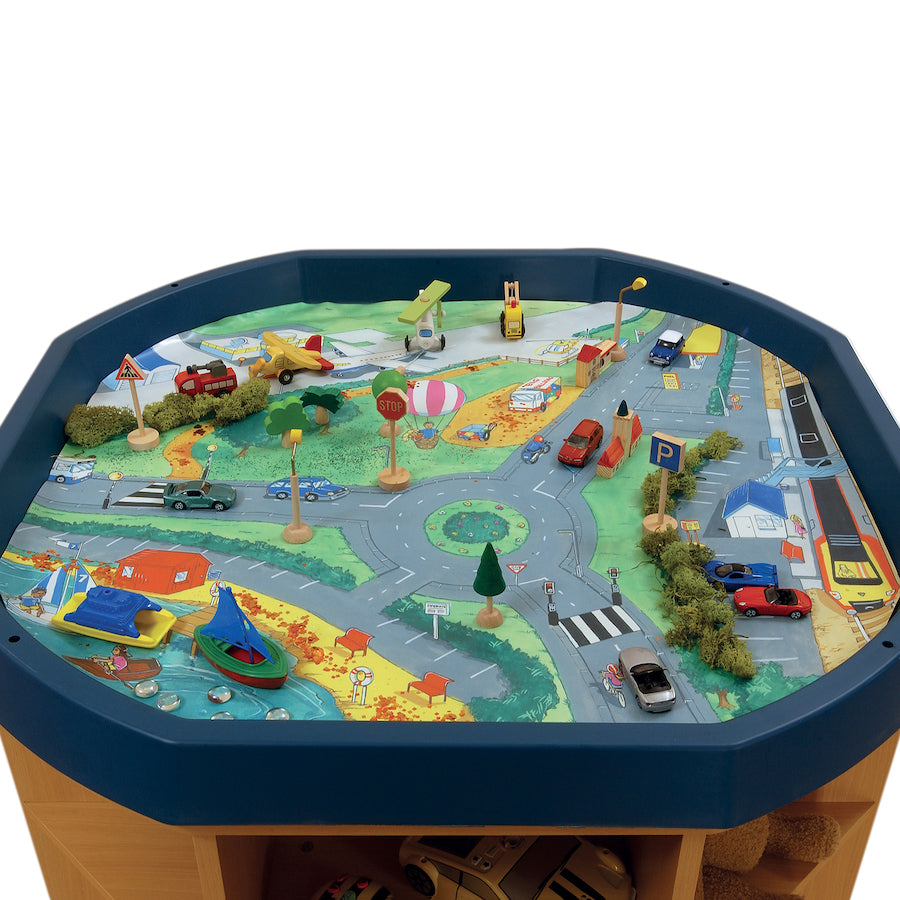
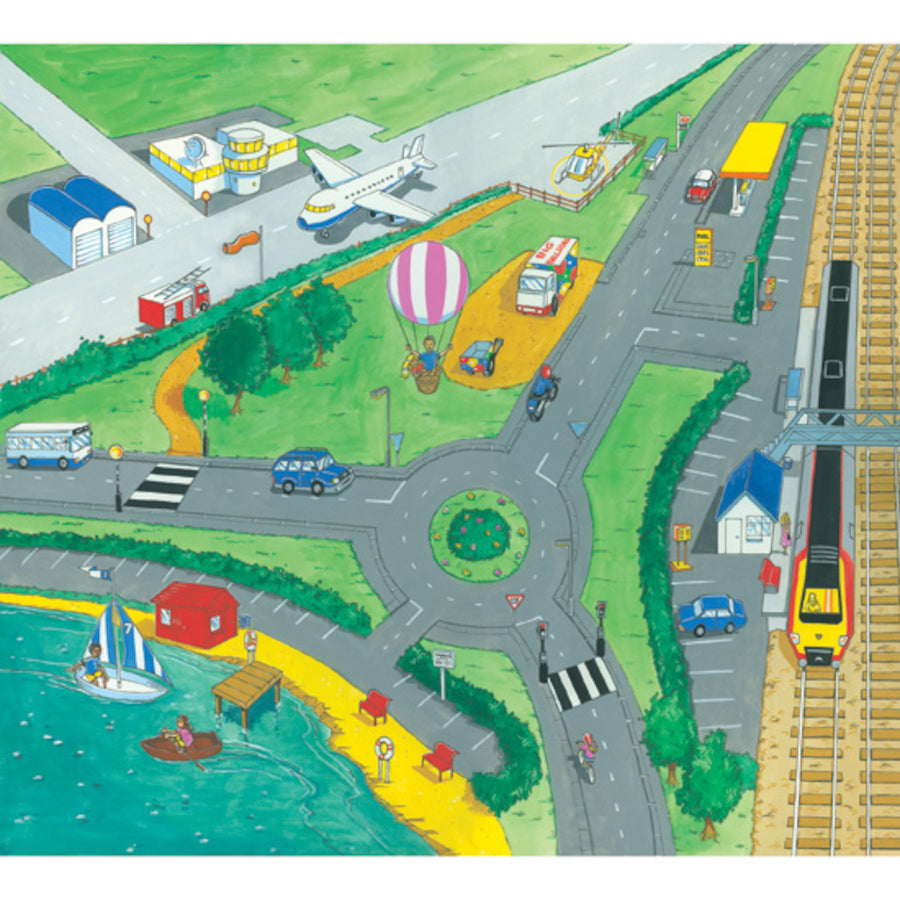
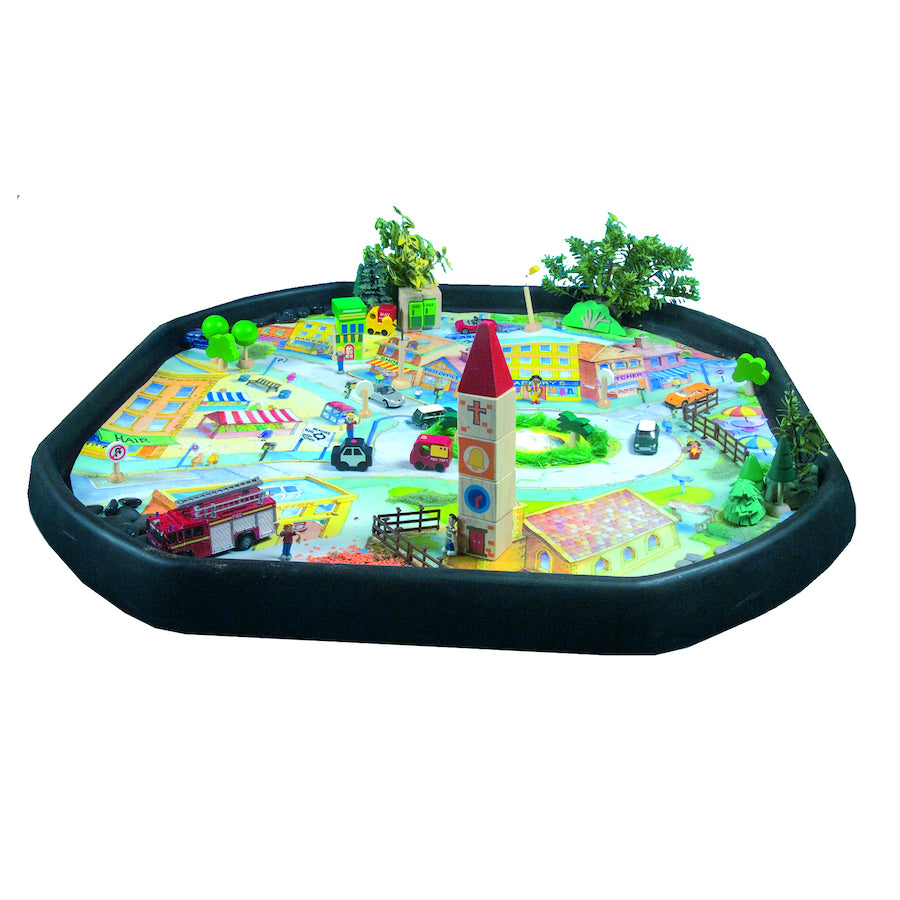
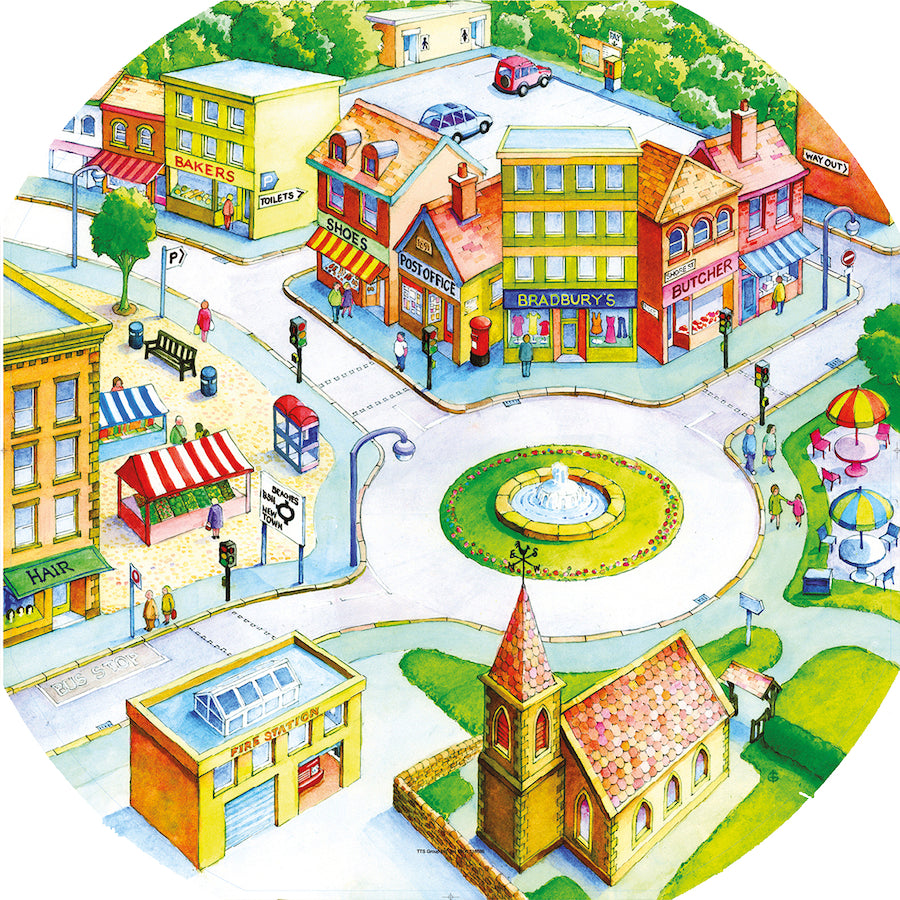
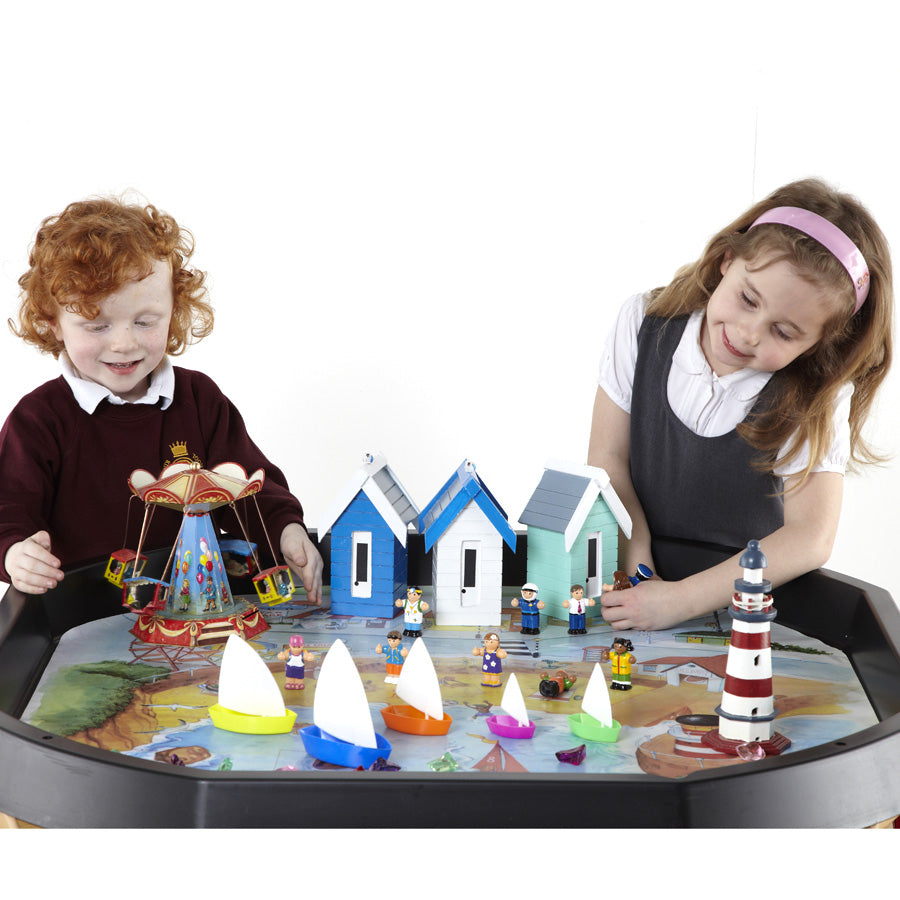
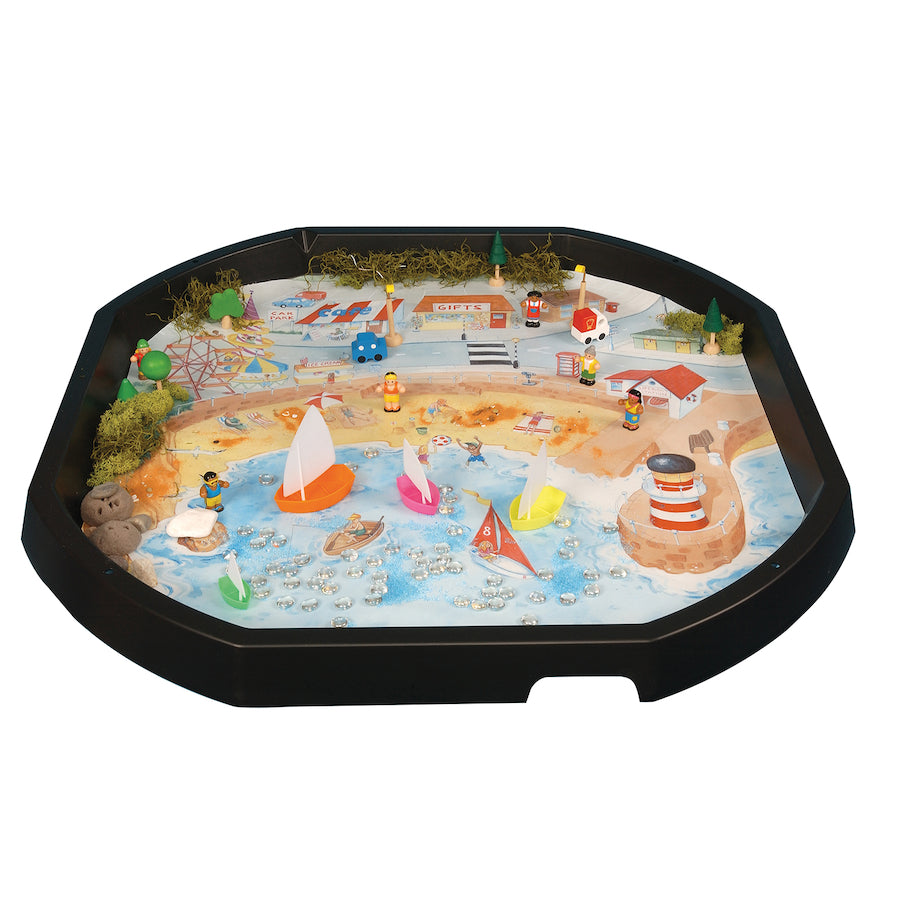
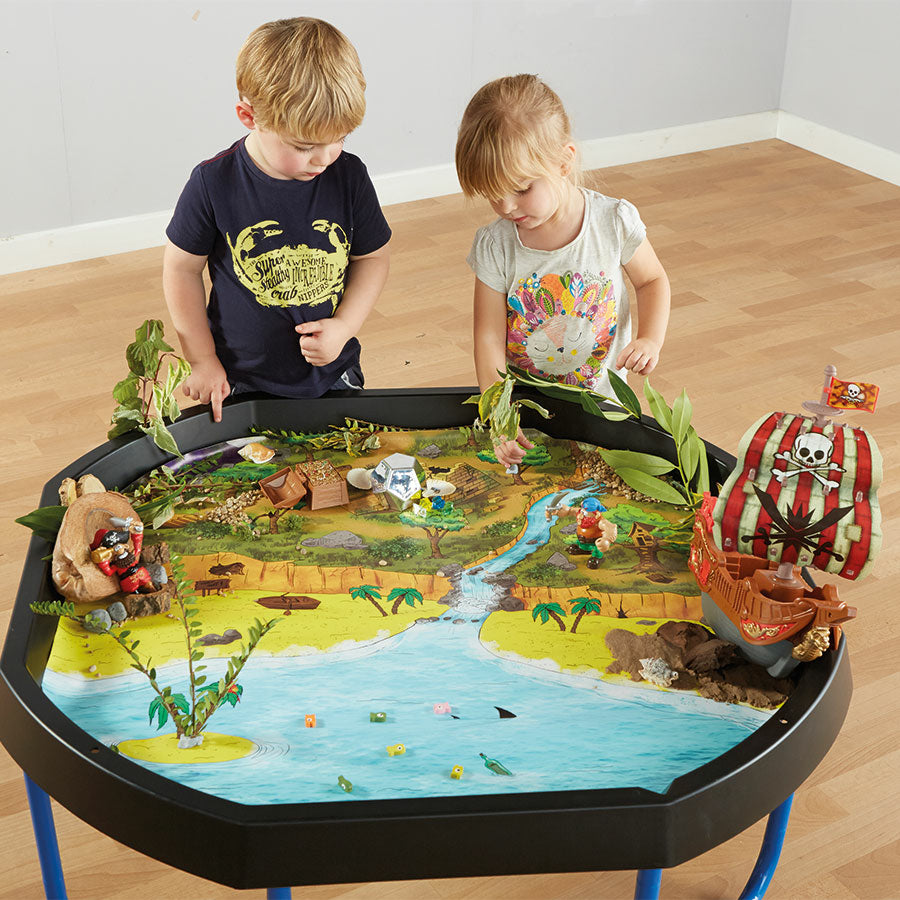
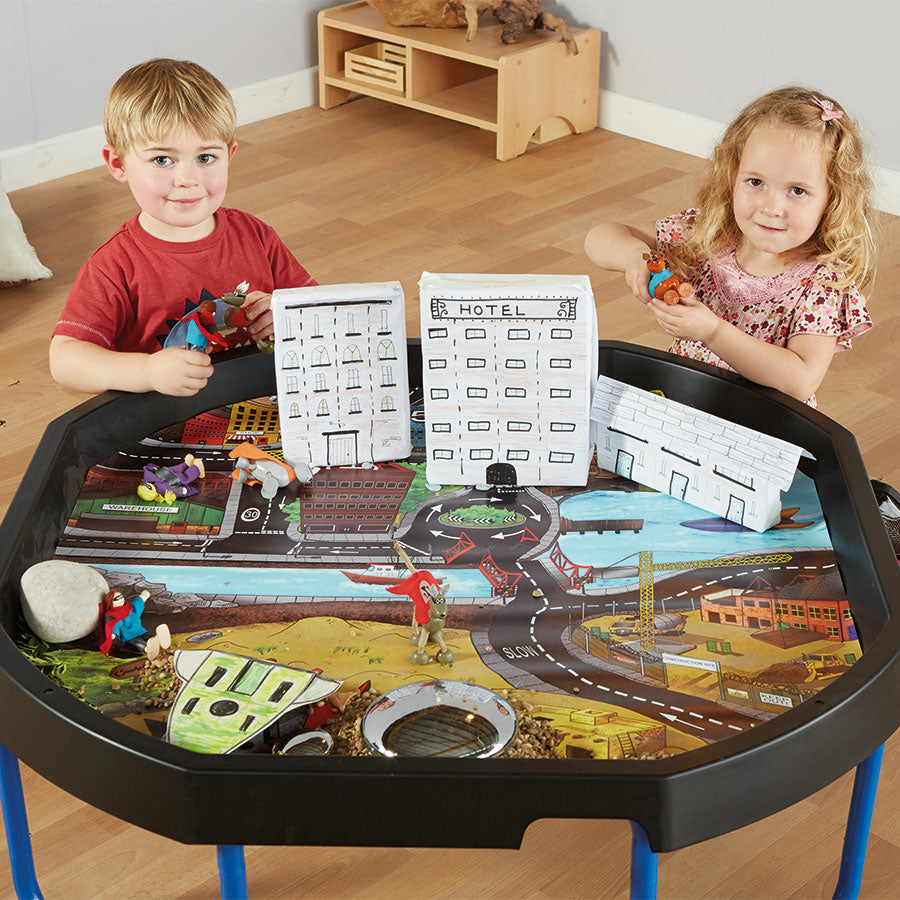
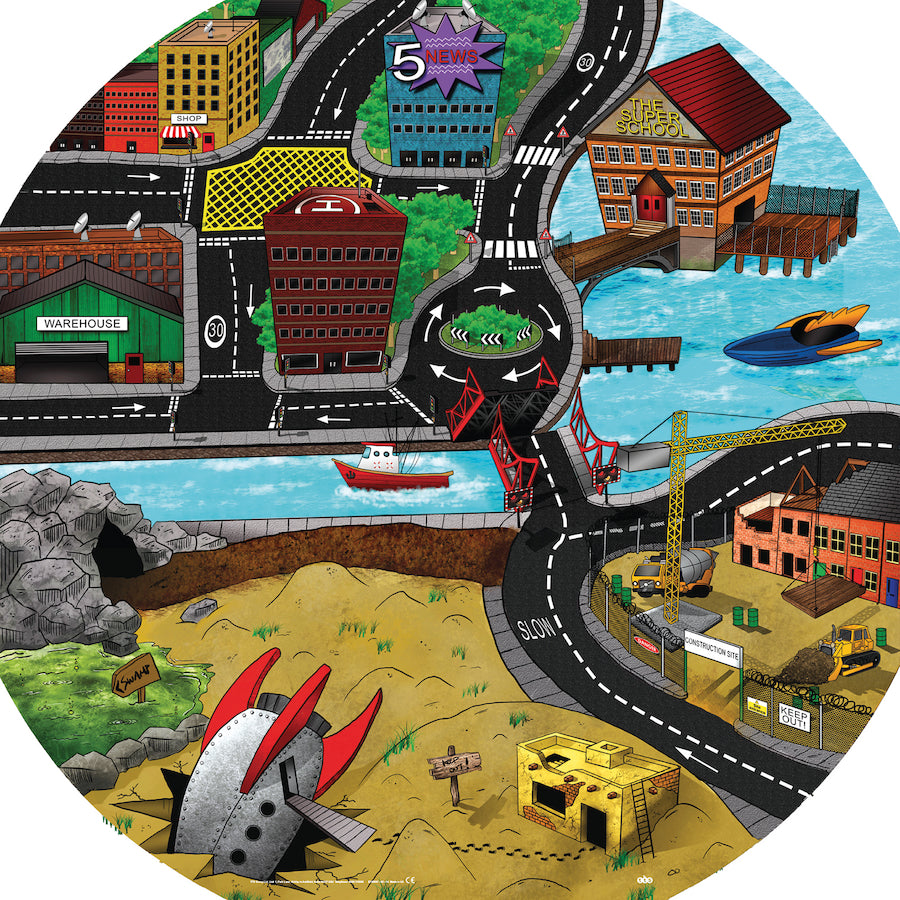
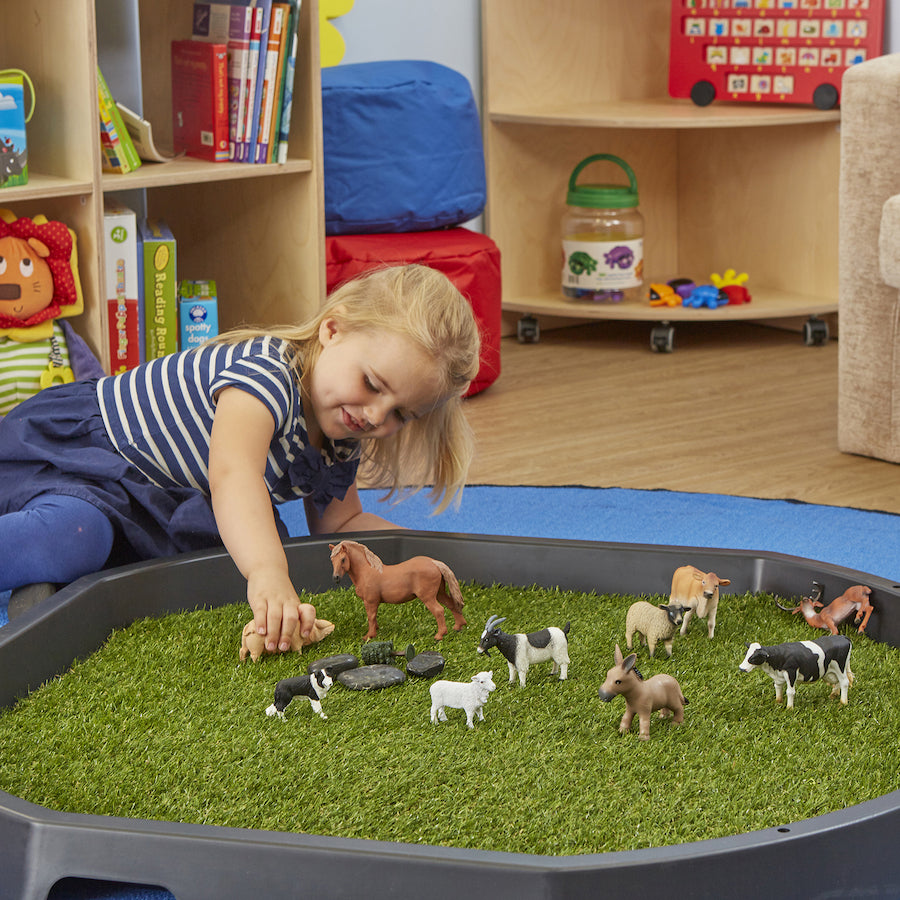
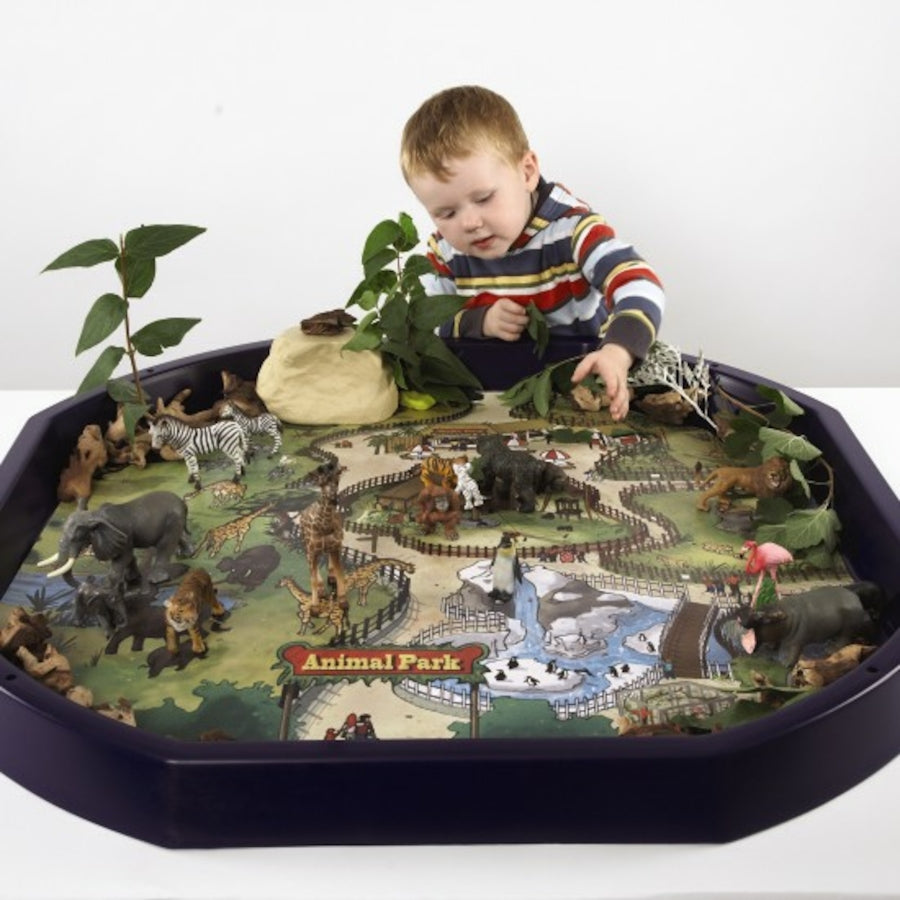
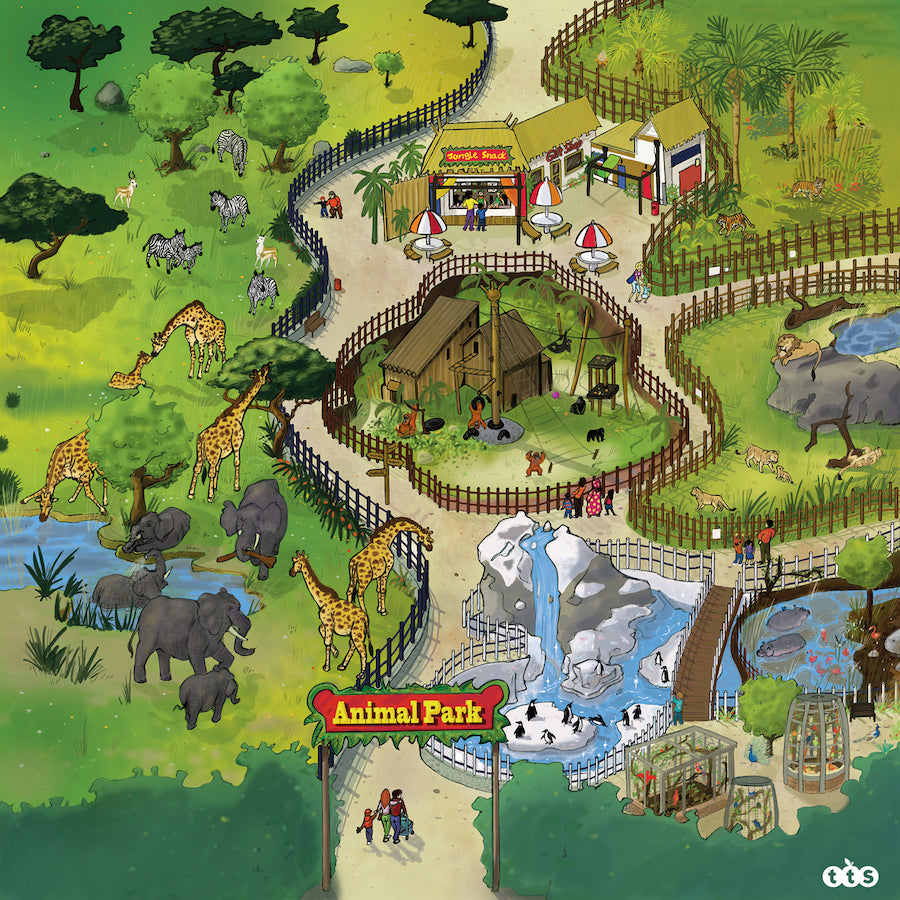
- Small-world scenes — farmyard, dinosaur dig, jungle, seaside or town, built over a themed mat
- Sensory bases — rice, pasta, dough, shaving foam, water beads, shredded paper
- Loose parts and natural materials — pinecones, shells, bark, pebbles, fabric offcuts
- Nature and science investigation — minibeast hunts, seed planting, ice melting, float tests
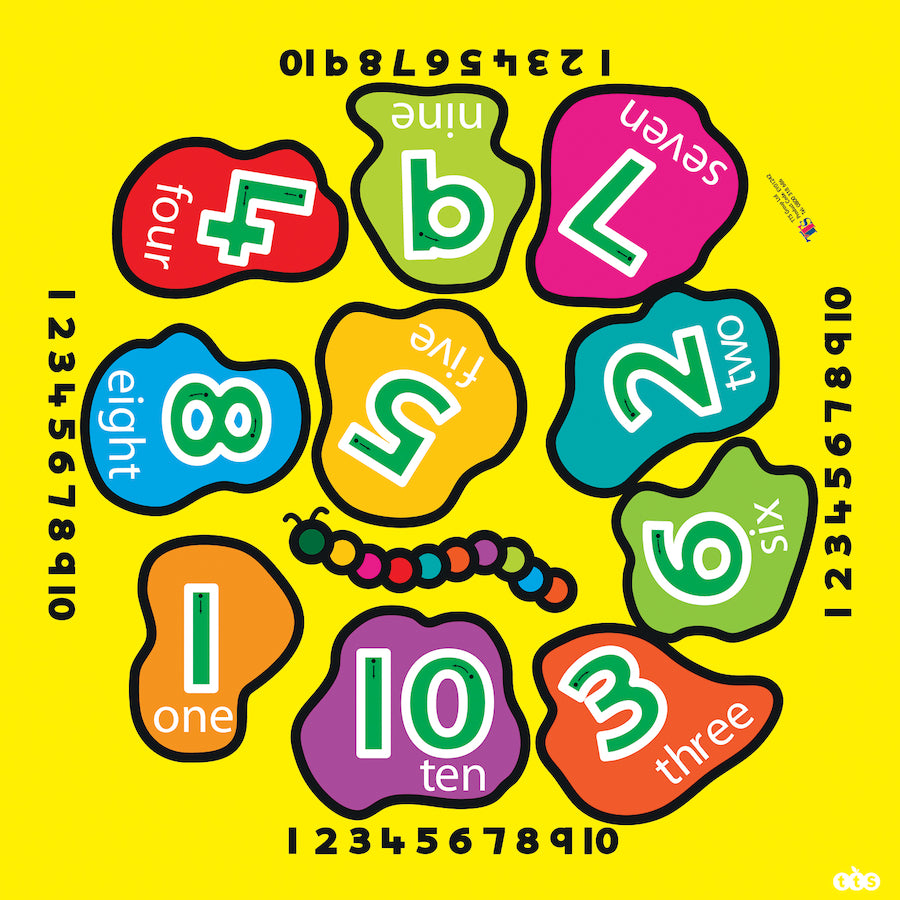
- Early literacy and numeracy — letter hunts in sand, counting collections, sorting by size or colour
- Messy art — printing, mark-making, mud painting and clay work

Do You Need a Tuff Tray Stand?
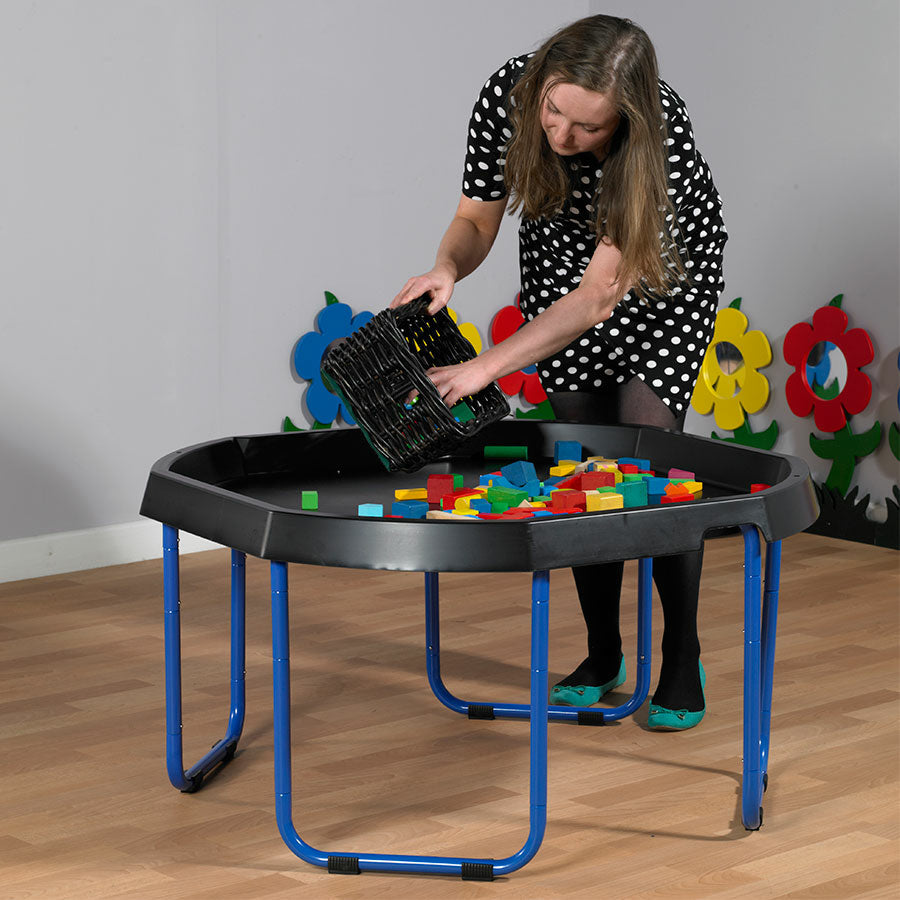
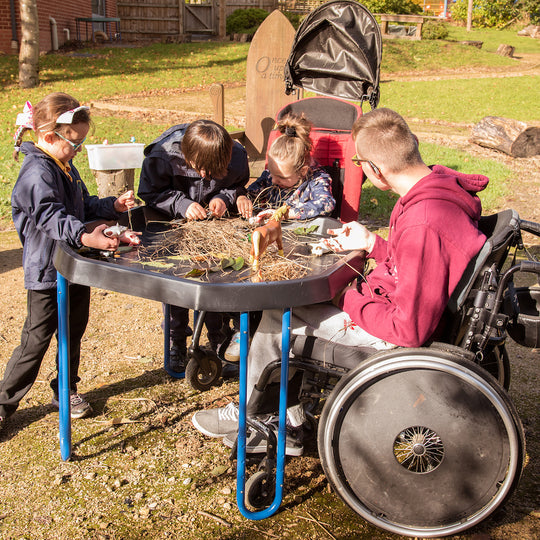
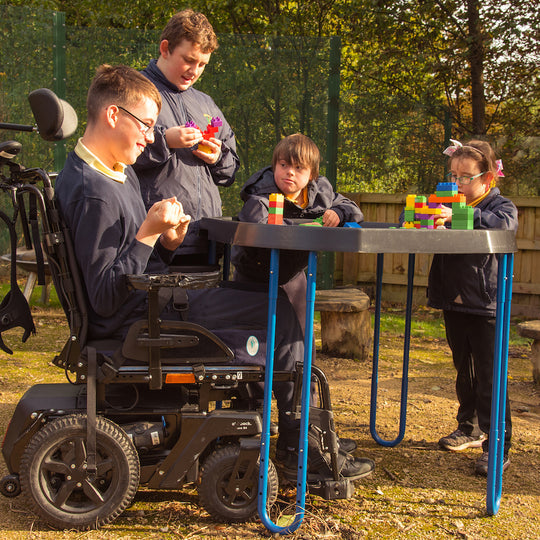
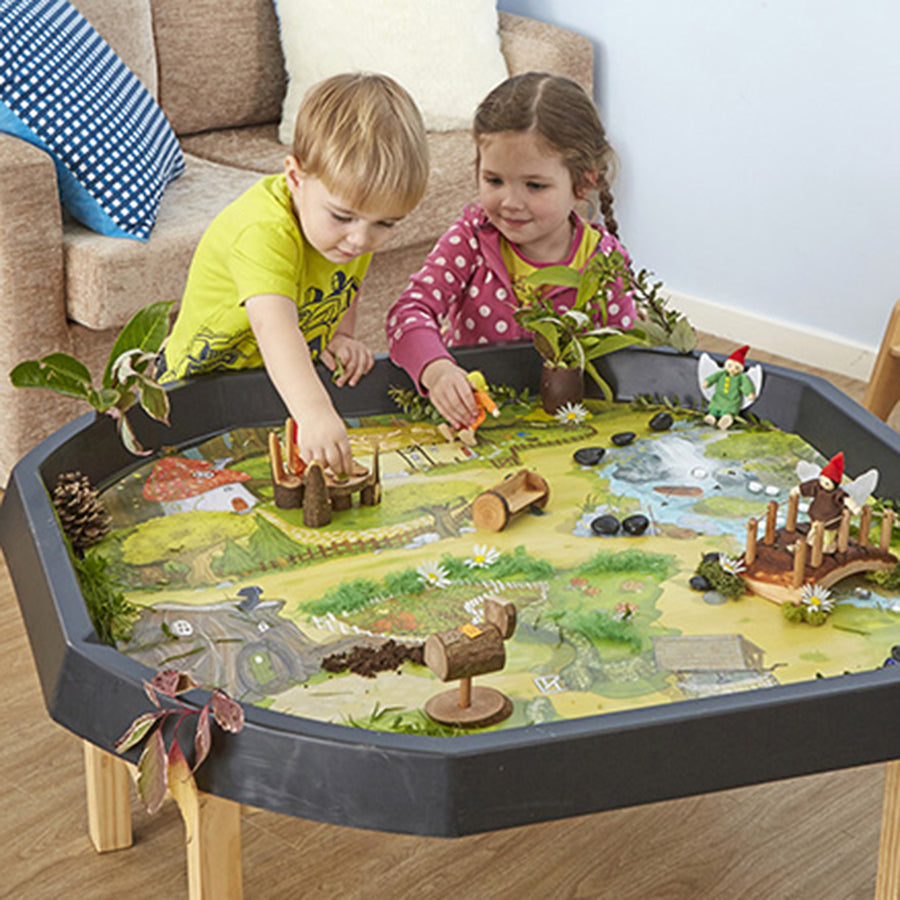
A tray works perfectly well on the floor, which is where most sensory play happens. A stand turns it into a tuff tray table, and that changes who can use it and how long they'll stay with it.
- Adjustable stand — four heights from 20cm to 50cm, so the tray grows with the children using it
- Wheelchair-accessible stand — metal, adjustable from 70cm to 85cm, for seated and standing-height access
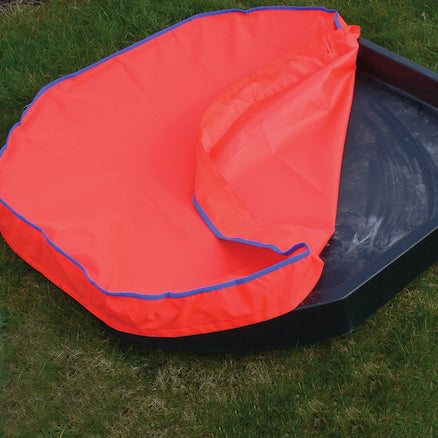
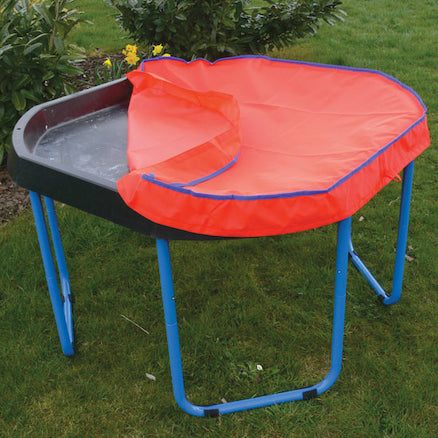
- Tuff tray cover — keeps an unfinished sand or water scene clean between sessions
Tuff Tray Questions
What size is a tuff tray?
94cm across the outside, with 86cm of usable space inside and 6cm deep sides.
What age is a tuff tray for?
From 3 years. TTS rates the tray 3+ and notes it isn't suitable for children under 36 months because of small parts.
Can a tuff tray hold water?
Yes. The 6cm sides hold water, sand, soil and dough, and the moulded spout makes emptying it straightforward.
Can it be stored outside?
Yes — it's recycled plastic and rated for outdoor storage. A cover keeps the contents clean between sessions.
Do I need a stand?
No. The tray is designed for floor use. A stand is worth it if you want standing-height play, better posture for longer activities, or wheelchair access.
What do you put in a tuff tray?
Anything containable — sand, water, rice, dough, foam, natural materials, small-world figures. A themed mat sets a scene without filling the tray at all.
More great STEAM Products from Sammat Education


